

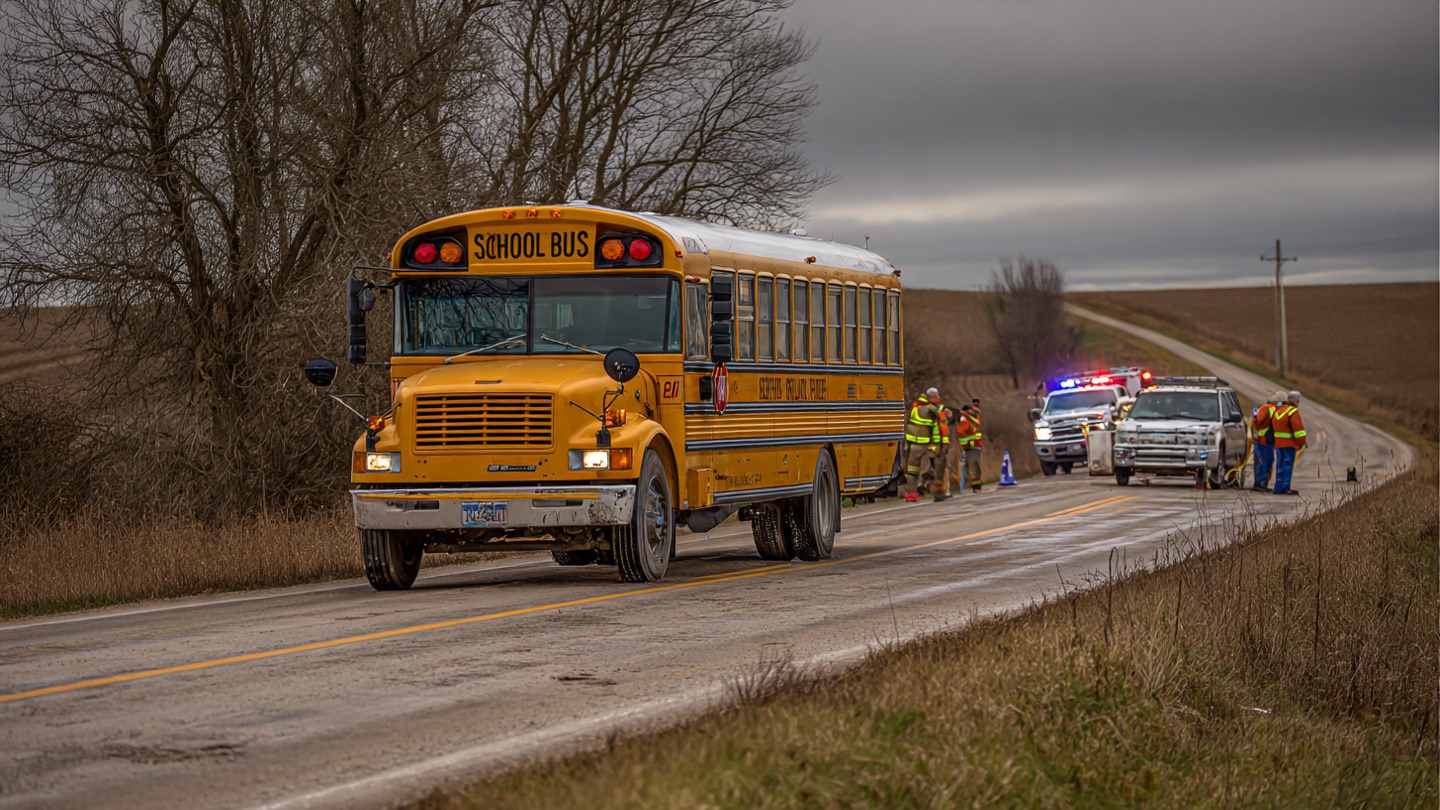
Introduction: Understanding the Remsen St Mary’s Bus Accident
The Remsen St Mary’s bus accident has drawn widespread attention from parents, educators, safety officials, and transportation authorities. School bus accidents, though statistically rare compared to other road incidents, deeply affect communities because they involve children and trusted institutions.
In this in-depth article, we’ll examine everything related to the Remsen St Mary’s bus accident including what happened, possible causes, investigation updates, school transportation safety standards, legal considerations, and the broader implications for school bus safety across the United States.
We’ll also explore key related topics such as school bus safety regulations, student transportation accidents, school bus crash investigations, driver training requirements, Iowa school bus incident reports, and community response to school bus accidents.
What Happened in the Remsen St Mary’s Bus Accident?
The Remsen St Mary’s bus accident refers to an incident involving a school bus connected to St. Mary’s in Remsen, Iowa. While specific details vary depending on official reports and updates, the incident involved a bus transporting students when an unexpected roadway event occurred.
Key aspects typically examined in incidents like this include:
- Time and location of the crash
- Weather and road conditions
- Number of students on board
- Injuries reported
- Emergency response time
- Law enforcement involvement
Whenever a student transportation accident occurs, authorities immediately prioritize:
- Student safety and medical care
- Securing the accident scene
- Notifying parents and guardians
- Conducting a full accident investigation
About Remsen and St. Mary’s School
Remsen is a small community known for its strong local values and tight-knit families. Schools such as St. Mary’s School play a central role in the town’s educational and social life.
In smaller communities, school transportation is not just a convenience it is essential infrastructure. Many students rely on buses daily for safe travel to and from school activities, sports events, and field trips.
Because of this, the Remsen St Mary’s bus accident resonated deeply within the local population.
Immediate Emergency Response
In incidents like the Remsen St Mary’s bus accident, emergency procedures are activated immediately. Standard response protocols typically involve:
- Dispatch of local law enforcement
- Ambulance and EMS response
- Fire department support (if required)
- Temporary road closures
- On-site triage for injured students
According to national transportation safety data from the National Highway Traffic Safety Administration (NHTSA), school buses remain one of the safest forms of transportation in the United States. However, when accidents do occur, response coordination is critical.
Common Causes of School Bus Accidents
Although each case is unique, investigations into incidents like the Remsen St Mary’s bus accident typically examine several potential factors:
1. Driver Error
- Distraction
- Fatigue
- Misjudgment at intersections
- Failure to adjust to weather conditions
2. Weather & Road Conditions
In rural Iowa communities, factors may include:
- Snow and ice
- Reduced visibility
- Wet rural roads
- Gravel surfaces
3. Mechanical Failure
- Brake malfunction
- Steering issues
- Tire blowouts
- Maintenance oversight
4. Third-Party Vehicle Involvement
In many school bus crash investigations, another vehicle is often at fault. Passenger vehicles failing to yield or speeding are common contributing factors.
The Investigation into the Remsen St Mary’s Bus Accident
After any Iowa school bus incident report is filed, the investigation process typically includes:
- Police crash reconstruction
- Vehicle inspection
- Driver record review
- Witness statements
- Review of bus maintenance logs
Authorities determine:
- Whether traffic laws were violated
- If environmental conditions contributed
- If mechanical failure played a role
Accident investigations may take weeks or even months, depending on complexity.
School Bus Safety Regulations in Iowa
School buses operate under strict safety standards. These include:
Federal Requirements
- Compartmentalized seating
- High-visibility flashing lights
- Stop-arm signals
- Reinforced side panels
State-Level Oversight
In Iowa, school bus drivers must:
- Hold a Commercial Driver’s License (CDL)
- Pass background checks
- Complete periodic safety training
- Undergo medical examinations
These regulations exist to reduce the likelihood of incidents like the Remsen St Mary’s bus accident.
Statistical Context: How Safe Are School Buses?
According to data from National Highway Traffic Safety Administration:
- School buses account for less than 1% of traffic fatalities annually.
- Students are far safer riding a school bus than traveling in a passenger vehicle.
- Most fatalities in school bus-related crashes involve occupants of other vehicles.
This perspective is important when analyzing the Remsen St Mary’s bus accident within the broader framework of national safety trends.
Community Response to the Remsen St Mary’s Bus Accident
In small towns like Remsen, community response is often swift and unified. After incidents involving schools, communities typically organize:
- Prayer vigils
- Fundraisers for affected families
- Public safety meetings
- School board discussions
Parents often seek reassurance about:
- Driver qualifications
- Bus maintenance schedules
- Emergency protocols
- Communication systems
The Remsen St Mary’s bus accident likely prompted renewed conversations about student transportation safety improvements.
Legal and Liability Considerations
Following a school bus accident, several legal questions may arise:
Potential Liability Parties
- School district
- Bus driver
- Third-party vehicle driver
- Bus maintenance contractor
In some cases, families may consult personal injury attorneys to determine:
- Negligence
- Insurance coverage
- Compensation for medical expenses
- Emotional distress claims
However, liability depends entirely on the investigation findings.
Psychological Impact on Students and Families
Physical injuries are only part of the story. Events like the Remsen St Mary’s bus accident can have emotional consequences such as:
- Anxiety about riding buses
- Post-traumatic stress symptoms
- Parental fear and overprotection
- School attendance concerns
Schools often provide:
- Counseling services
- Group support sessions
- Communication updates
- Safety reassurances
Mental health recovery is a critical but often overlooked component.
How Schools Can Prevent Future Accidents
While accidents cannot be eliminated entirely, schools can reduce risk by:
1. Enhanced Driver Training
- Defensive driving programs
- Hazard recognition
- Rural road navigation training
2. Regular Maintenance Audits
- Frequent mechanical inspections
- Tire replacement schedules
- Brake system testing
3. GPS & Monitoring Systems
- Real-time tracking
- Driver behavior monitoring
- Automatic alerts
4. Parent Communication Systems
- Emergency notification apps
- Text alert systems
- Rapid response hotlines
Incidents like the Remsen St Mary’s bus accident often serve as catalysts for safety upgrades.
Broader Implications for Rural School Transportation
Rural communities face unique challenges:
- Longer routes
- Fewer alternate roads
- Weather variability
- Limited emergency infrastructure
The Remsen St Mary’s bus accident highlights the need for:
- Rural-specific transportation policies
- Increased funding for bus upgrades
- Stronger coordination between schools and local authorities
FAQs About the Remsen St Mary’s Bus Accident
1. Where did the Remsen St Mary’s bus accident occur?
It occurred in or near Remsen, Iowa, involving a school bus connected to St. Mary’s School.
2. Were there injuries reported?
Details depend on official investigation reports. School bus accidents typically prioritize immediate medical evaluation for all students.
3. What causes most school bus accidents?
Common causes include third-party vehicle error, poor weather conditions, and driver misjudgment.
4. Are school buses safe?
Yes. According to national data, school buses are among the safest forms of transportation in the U.S.
5. How can parents stay informed after an accident?
Parents should monitor official school communications, local news releases, and law enforcement updates.
Multimedia Suggestions
To enhance engagement, consider including:
- Infographic: School bus safety statistics from NHTSA.
- Map Graphic: Location of Remsen and surrounding rural transportation routes.
- Flowchart: Investigation process after a school bus accident.
Conclusion: Lessons from the Remsen St Mary’s Bus Accident
The Remsen St Mary’s bus accident serves as a sobering reminder of the responsibility schools and transportation providers carry every day. While school buses remain statistically safe, even one incident can shake a community’s confidence.
The path forward involves:
- Transparency in investigation findings
- Strong communication with families
- Continuous driver training
- Infrastructure improvements
- Community involvement
Safety is not a one-time achievement it is an ongoing commitment.
Call to Action
If you are a parent, educator, or community member, stay informed about school transportation policies in your area. Attend school board meetings, ask questions about bus safety procedures, and advocate for continuous improvement.
