

Something shifted the moment borders reopened.
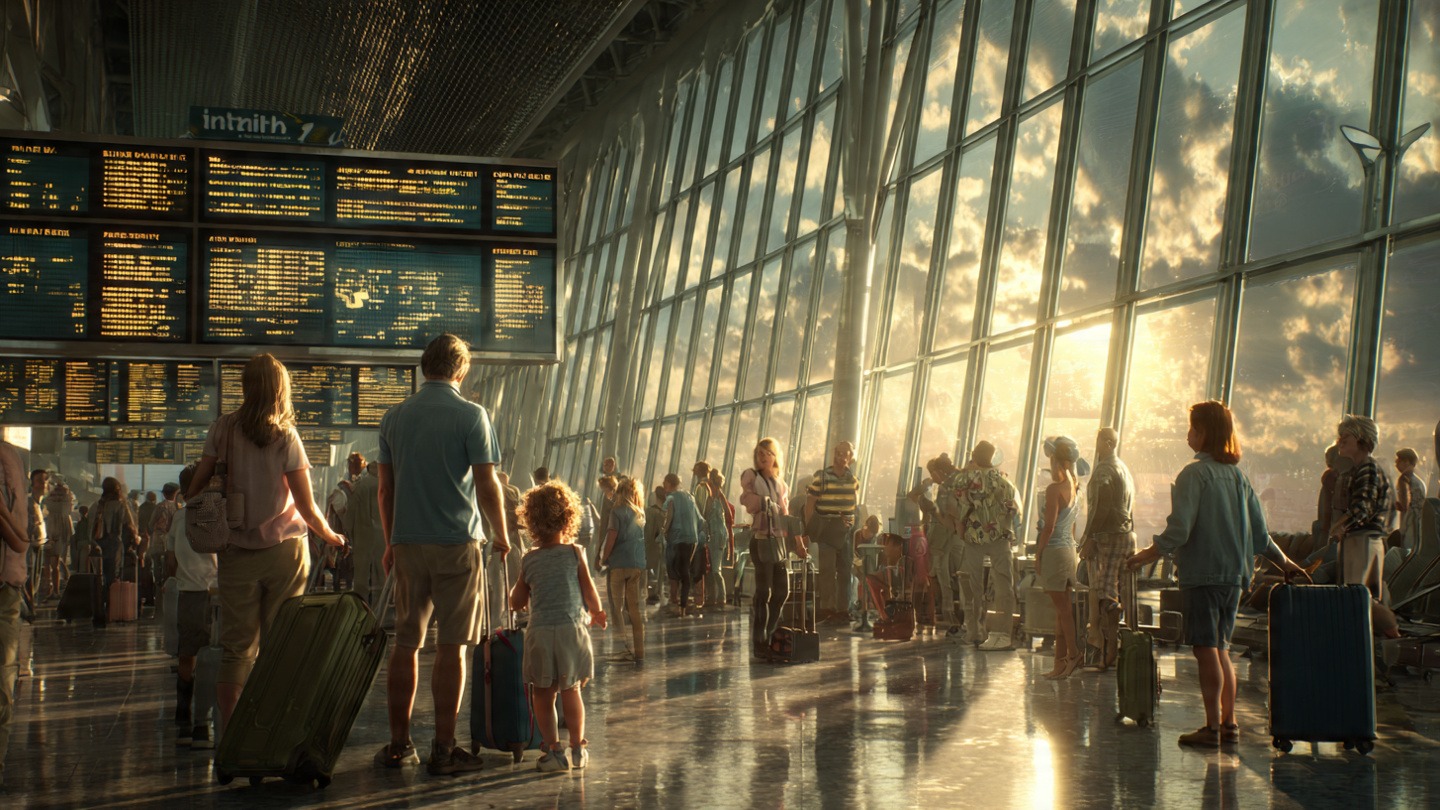
Airports didn’t just get busy they exploded. Flights were full. Hotels were sold out. Rental car prices looked like luxury jewelry tags. And suddenly everyone knew someone who had just come back from Rome, Cancun, or a national park road trip.
That wave had a name: the American revenge travel surge.
And no, it wasn’t just about vacations. It was emotional. Almost defiant.
People weren’t simply traveling. They were making up for lost time.
What “Revenge Travel” Actually Means
The phrase started circulating in 2021 when Americans began booking trips in record numbers after long lockdown periods. The idea was simple:
“We stayed home long enough. Now we’re going.”
And they did.
According to data from the U.S. Travel Association, domestic leisure travel spending surpassed pre-2020 levels by nearly 10% in 2023. TSA checkpoint numbers even exceeded 2019 records during peak summer weekends.
This wasn’t cautious tourism.
This was bold. Loud. Expensive.
The Emotional Fuel Behind the Surge
You can’t really understand the American revenge travel surge without remembering how strange 2020 felt.
Canceled weddings. Postponed honeymoons. Birthdays on Zoom. Empty airports.
So when restrictions lifted, travel became symbolic. It meant freedom again.
I spoke with a friend who booked a last-minute trip to Paris. She said, “I didn’t even overthink it. I just clicked book. I needed something to look forward to.”
That was the mood everywhere.
Record-Breaking Travel Numbers
Here’s where things get interesting.
- Summer 2023 saw over 2.9 million travelers pass through TSA in a single day an all-time record.
- International bookings from the U.S. rose nearly 31% compared to 2022.
- Cruise demand surged so dramatically that companies like Carnival Cruise Line reported occupancy rates above 100% (yes, cabins shared by more than two guests).
Airfare prices jumped too. In some peak months, transatlantic flights were 35–45% higher than pre-pandemic averages.
And people paid it.
Where Americans Went First
Europe Came Roaring Back
Cities like Rome, London, and Barcelona saw massive spikes in American visitors.
Long-haul flights that once felt “too much” suddenly felt necessary.
People upgraded seats. Booked boutique hotels. Added wine tours.
It wasn’t just travel. It was statement travel.
Beach Destinations Boomed
Places like Cancun and Honolulu filled up quickly. Resort rates climbed 20–30% in high season.
Some Caribbean islands even reported their strongest tourism revenue in history.
Sunshine had never felt more valuable.
National Parks Got Crowded
Domestically, road trips ruled.
Yellowstone National Park and Grand Canyon hit capacity during multiple summer weeks.
Campgrounds that once allowed spontaneous bookings suddenly required reservations months in advance.
Why Travelers Spent More Than Ever
Here’s the part that surprises people.
It wasn’t just that Americans traveled more. They spent more per trip.
Average leisure spending per household rose nearly 18% compared to 2019.
Why?
- Savings accumulated during lockdown.
- “You only live once” energy.
- Flexible remote work policies.
- Delayed milestone celebrations.
A couple who postponed their honeymoon didn’t book a simple weekend getaway. They booked two weeks in Bali.
Revenge travel wasn’t about budgeting carefully. It was about making up for lost experiences.
Social Media Made It Bigger
Scroll through Instagram in summer 2023 and it felt like everyone was somewhere.
Cliffside dinners in Amalfi. Rooftop bars in New York City. Safari photos from Kenya.
The visibility amplified demand.
If your coworker just posted from Greece, suddenly staying home felt… less exciting.
Travel became contagious again.
Airlines and Hotels Cashed In
Airlines like Delta Air Lines and United Airlines reported record revenues during peak quarters of 2023.
Hotels adjusted pricing dynamically, often increasing nightly rates during high-demand weekends.
Luxury travel especially saw explosive growth. According to industry reports, premium cabin bookings increased faster than economy class in 2023.
Revenge travel wasn’t frugal.
It was aspirational.
The Shift Toward “Meaningful Travel”
Something else changed too.
People started choosing trips that felt personal.
- Visiting grandparents abroad.
- Taking multi-generational family vacations.
- Booking experiential stays like cooking classes or wildlife tours.
Sites like Skyscanner reported a surge in flexible date searches, showing that travelers cared more about the experience than strict schedules.
Travel became less transactional. More emotional.
Is the Surge Slowing Down?
Yes… and no.
While the explosive spike of 2022–2023 has stabilized, travel demand remains strong.
In 2024 and early 2025:
- International travel remains above 2019 levels.
- Cruise bookings continue trending upward.
- Remote workers are extending trips into “workcations.”
The frantic urgency has softened, but the appetite hasn’t disappeared.
Americans rediscovered travel’s value. That doesn’t fade quickly.
The Hidden Downsides of the Boom
Let’s be honest. The American revenge travel surge wasn’t perfect.
- Overcrowded cities.
- Environmental strain.
- Higher prices for everyone.
- Burned-out tourism workers.
Cities like Venice even introduced tourist entry fees to manage crowds.
When everyone travels at once, infrastructure feels it.
What It Means for Future Travelers
Here’s the practical takeaway.
If you’re planning trips now:
- Book earlier than you used to.
- Travel in shoulder seasons.
- Consider secondary cities.
- Expect higher base prices than pre-2020 norms.
But also — expect better experiences.
Competition pushed airlines and hotels to improve offerings. Loyalty programs expanded perks. Flexible booking policies became standard.
Travel is more dynamic now.
FAQs About the American Revenge Travel Surge
What caused the American revenge travel surge?
Pent-up demand after pandemic lockdowns, accumulated savings, flexible work options, and emotional motivation to “make up” for lost experiences.
Is revenge travel still happening?
The peak frenzy has cooled, but travel demand remains strong compared to pre-2020 levels.
Did travel prices increase because of revenge travel?
Yes. High demand combined with reduced staffing and capacity drove up airfare and hotel prices significantly.
Which destinations benefited most?
European cities, Caribbean resorts, U.S. national parks, and major cultural hubs saw dramatic visitor increases.
The Bigger Picture
The American revenge travel surge wasn’t just a tourism trend.
It was a collective emotional release.
People realized something uncomfortable during lockdown: experiences can disappear overnight.
So when the world reopened, they didn’t wait.
They booked.
They flew.
They went.
And maybe that’s the lasting impact. Not just higher travel numbers, but a deeper appreciation for movement, connection, and the simple privilege of boarding a plane.
