

There’s a moment most of us recognize.
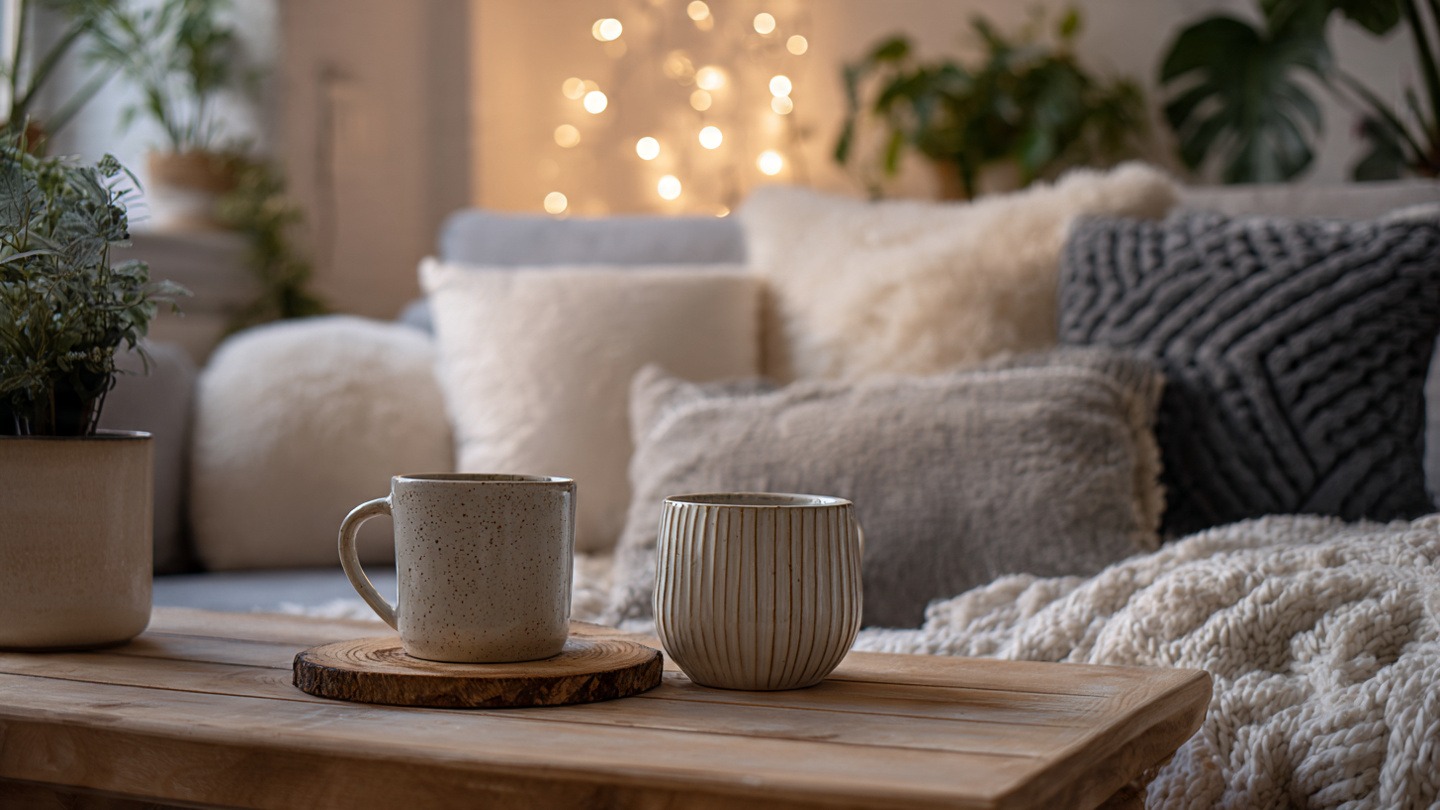
You walk into a room and something just feels right. The light. The textures. The way a mug sits on a shelf like it belongs there. That feeling doesn’t come from expensive furniture or perfect styling. It comes from what many people casually call a homeware zone.
Not a store. Not a catalog category. More like a mindset.
What “Homeware Zone” Really Means (Beyond the Name)
When people say homeware zone, they’re usually pointing to a space—physical or mental—where function meets comfort. It’s the part of your home where small objects do big emotional work.
Think:
- cushions that invite you to sit
- plates you reach for without thinking
- lamps that soften a long day
Homeware isn’t about show. It’s about use. The zone is where those pieces come together naturally.
How Homeware Quietly Shapes Daily Life
Most of us don’t notice homeware until it’s wrong.
A chair that’s awkward. A plate that chips too easily. A light that’s too harsh at night. Suddenly, daily routines feel off.
But when things work? They disappear into the background. That’s the magic.
A well-built homeware zone supports habits:
- slow breakfasts
- late-night tea
- quiet reading corners
It doesn’t shout for attention. It supports life as it happens.
The Shift From “Decor” to “Living Well”
A few years ago, home styling was all about trends. Matching sets. Instagram-perfect corners.
Now? There’s a shift happening.
People want homes that feel lived-in, not staged. That’s why the idea of a homeware zone matters more than ever. It’s not about copying a look. It’s about creating ease.
You see this reflected in brands and communities that focus on practical beauty, like the inspiration often shared on Apartment Therapy or the everyday design philosophy behind places like IKEA.
Comfort is back in style.
Building Your Own Homeware Zone (Without Overthinking It)
Here’s the good news: you don’t need to redesign your entire house.
A homeware zone can be:
- one shelf
- one corner
- one drawer you actually enjoy opening
Start small.
Choose items you touch daily. Ask simple questions:
- Is this pleasant to use?
- Does it fit how I live?
- Would I buy this again?
If the answer is yes, it belongs.
Materials Matter More Than Labels
One quiet change in homeware trends is the return to honest materials.
Ceramic that feels solid. Wood that ages instead of peeling. Fabrics that soften with time.
These choices don’t just last longer. They build familiarity. Over time, your homeware zone becomes personal not because it’s styled, but because it’s worn in.
That’s where character comes from.
Homeware Zones Aren’t Just for Big Homes
This is important.
You don’t need space. You need intention.
A small apartment can have a stronger homeware zone than a large house if the objects are chosen with care. A single well-loved mug beats a cupboard full of unused ones.
Always.
Why People Are Searching “Homeware Zone” More Often
Search trends usually reflect how people feel.
Lately, people are craving:
- calm
- control
- warmth at home
The phrase homeware zone captures that desire. It suggests a place where things make sense. Where home feels manageable again.
And honestly? That’s relatable.
FAQs
Is homeware zone a brand or a concept?
It’s often used as a concept, though some stores or platforms may use it as a brand name.
What belongs in a homeware zone?
Everyday items—tableware, lighting, soft furnishings, storage pieces—that support daily routines.
Do I need to follow trends?
No. The best homeware zones grow slowly and reflect real use, not seasonal trends.
Can renters create a homeware zone?
Absolutely. Homeware is one of the easiest ways to personalize a rented space.
Is homeware the same as home decor?
Not exactly. Decor focuses on appearance. Homeware focuses on function and comfort.
A Thought to End On
A home doesn’t become meaningful all at once.
It happens quietly. Through objects that earn their place. Through routines that settle in. Through a homeware zone that supports your life without demanding attention.
That’s not design theory.
That’s just living well.
