

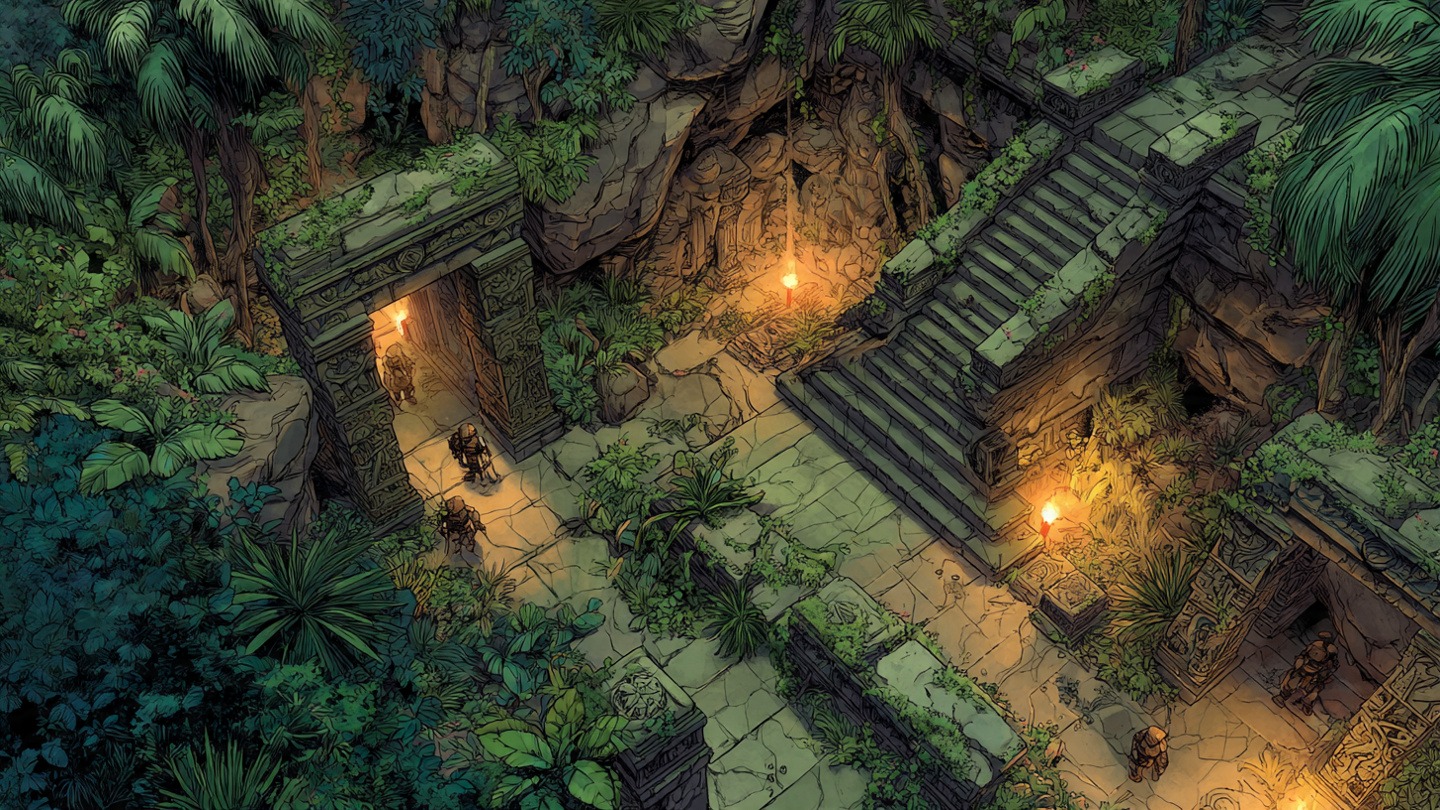
The Tomb of Annihilation disclaimer has become a topic of discussion among tabletop role-playing game fans, especially within the global community of Dungeons & Dragons players. As modern audiences reexamine older fantasy narratives for cultural sensitivity and representation, publishers have added disclaimers to certain works to provide context and acknowledge outdated portrayals.
Originally published in 2017 as an adventure module for the fifth edition of Dungeons & Dragons, Tomb of Annihilation quickly gained popularity for its deadly dungeon design, jungle exploration themes, and homage to classic adventures like Tomb of Horrors. However, in later printings and digital versions, a contextual disclaimer was added by Wizards of the Coast.
In this comprehensive guide, we will examine what the Tomb of Annihilation disclaimer says, why it exists, how it fits into broader D&D publishing updates, and what it means for Dungeon Masters (DMs) and players today.
What Is the Tomb of Annihilation Disclaimer?
The Tomb of Annihilation disclaimer is a publisher’s statement acknowledging that certain depictions in the adventure may reflect outdated cultural perspectives or stereotypes. It does not remove content but provides contextual framing for readers.
This addition aligns with broader efforts by Wizards of the Coast to update legacy material in response to evolving community standards.
Why Was It Added?
The disclaimer was introduced as part of the company’s initiative to:
- Address cultural sensitivity concerns
- Promote inclusive storytelling
- Acknowledge problematic depictions in older fantasy tropes
According to official communications from Wizards of the Coast, disclaimers are intended to provide transparency rather than censorship.
For official product information, the publisher’s website offers current listings and statements at D&D’s official site.
Tomb of Annihilation Disclaimer Meaning Explained
Understanding the Tomb of Annihilation disclaimer meaning explained requires examining the adventure’s themes and setting.
Tomb of Annihilation is set in the fictional land of Chult, a tropical peninsula inspired by pulp adventure fiction and exploration-era tropes. Some critics have noted that early portrayals of Chult and its inhabitants echoed colonial stereotypes common in older fantasy works.
The disclaimer acknowledges that:
- Certain portrayals may not align with modern inclusivity standards
- Content reflects the time and creative influences in which it was written
Importantly, the disclaimer does not alter the core adventure mechanics or narrative structure.
Why Did Wizards Add a Disclaimer to Tomb of Annihilation?
The question “Why did Wizards add a disclaimer to Tomb of Annihilation?” reflects broader shifts within tabletop gaming.
In 2020, Wizards of the Coast publicly committed to reviewing legacy D&D content for racial and cultural representation issues. Several older products received disclaimers or revisions.
The Tomb of Annihilation disclaimer fits into this wider initiative that includes:
- Updated character descriptions
- Rewritten lore sections
- Sensitivity consultations
- Expanded cultural representation in newer publications
This initiative is part of a larger movement within gaming and publishing industries toward inclusivity and accountability.
Cultural Sensitivity in Tomb of Annihilation Adventure
Cultural sensitivity in Tomb of Annihilation adventure discussions often centers on the depiction of Chult’s people and environment.
Key Areas of Debate:
- Exoticism and “lost jungle” tropes
- Colonial exploration themes
- Representation of indigenous cultures
- Use of stereotypical language
While many players appreciate the adventure’s depth and design, others advocate for thoughtful adjustments during gameplay.
Dungeon Masters often customize:
- NPC backstories
- Cultural dynamics
- Regional lore
- Political structures
This flexibility allows groups to adapt the adventure responsibly.
D&D Content Disclaimer Update 2020 and Its Broader Impact
The D&D content disclaimer update 2020 marked a turning point for legacy material within the D&D library.
Wizards of the Coast added contextual notes to:
- Older adventure modules
- Classic rulebooks
- Digital reprints
The goal was transparency—acknowledging outdated depictions without erasing historical publications.
Industry analysts observed that the tabletop RPG market has grown significantly in recent years, with millions of players worldwide. As audiences diversify, expectations around representation also evolve.
How Does the Disclaimer Affect Gameplay?
For most players, the Tomb of Annihilation disclaimer does not impact gameplay mechanics.
What Stays the Same:
- Dungeon design
- Puzzle complexity
- Combat encounters
- Exploration elements
What May Change:
- Narrative framing by the DM
- Cultural representation choices
- NPC portrayal
The adventure’s lethal dungeon the Tomb itself remains one of the most challenging in fifth edition D&D.
Case Study: Community Response to the Disclaimer
Community reaction to the Tomb of Annihilation disclaimer has been mixed.
Supporters Argue:
- Transparency builds trust
- Context improves understanding
- Inclusivity strengthens the hobby
Critics Argue:
- Disclaimers are unnecessary
- Fantasy settings are fictional
- Context should not alter original works
However, most discussions remain constructive, focusing on how to balance creative freedom with cultural awareness.
The Role of Dungeon Masters in Contextual Storytelling
Dungeon Masters play a critical role in shaping player experience.
When addressing themes raised by the Tomb of Annihilation disclaimer, DMs can:
- Conduct session zero discussions
- Establish tone expectations
- Encourage player feedback
- Adjust portrayal of cultures respectfully
These practices enhance immersion while promoting inclusivity.
Broader Trends in Tabletop Gaming Representation
The Tomb of Annihilation disclaimer reflects wider industry trends.
Modern RPG publishing emphasizes:
- Diverse character options
- Expanded cultural inspiration
- Consultation with cultural experts
- Community engagement
Recent editions of D&D and related supplements have introduced more inclusive design choices.
Does the Disclaimer Impact Collectibility?
Some collectors wonder whether disclaimers affect product value.
Generally:
- First print editions without disclaimers may have niche collector interest
- Updated editions remain widely available
- Digital versions often include disclaimers automatically
However, the presence of a disclaimer rarely impacts gameplay value.
Frequently Asked Questions (FAQs)
1. What does the Tomb of Annihilation disclaimer say?
It acknowledges that some depictions may reflect outdated cultural perspectives and encourages thoughtful reading.
2. Was any content removed from the adventure?
No major mechanical content was removed; disclaimers provide context rather than deletion.
3. Why did Wizards of the Coast issue disclaimers in 2020?
As part of a broader inclusivity initiative and cultural review process.
4. Should Dungeon Masters modify the adventure?
It depends on the group. Many DMs adjust lore or tone to align with player expectations.
5. Is Tomb of Annihilation still worth playing?
Absolutely. It remains one of the most challenging and immersive D&D adventures.
Conclusion: Understanding the Tomb of Annihilation Disclaimer in Context
The Tomb of Annihilation disclaimer represents a modern publishing approach that balances historical content with contemporary cultural awareness. Rather than altering core mechanics, the disclaimer provides context for readers and empowers Dungeon Masters to adapt storytelling responsibly.
As tabletop gaming continues to evolve, discussions about representation, inclusivity, and transparency will remain part of the hobby’s growth. Understanding the Tomb of Annihilation disclaimer allows players to engage with the adventure thoughtfully and respectfully.
Call to Action
Are you planning to run Tomb of Annihilation? Review the disclaimer, discuss expectations with your group, and customize the adventure to create an unforgettable and inclusive campaign experience.
