
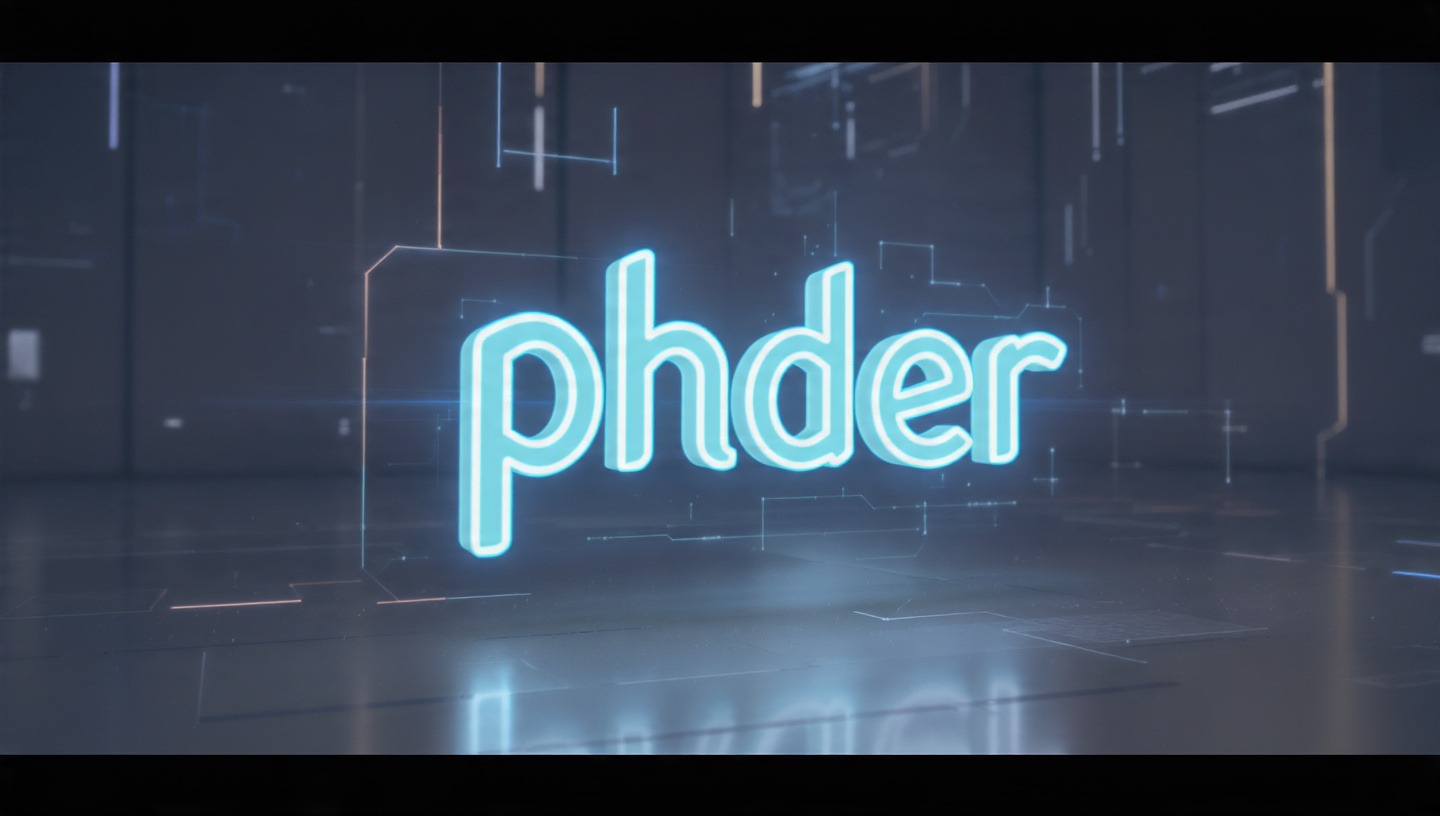
Introduction: What Is Phder?
If you’ve searched for phder, you’re not alone.
The term “phder” has recently appeared across search engines, social media queries, and niche online discussions. At first glance, it looks unfamiliar almost like a typo. But in the digital age, even unusual keyword variations like phder can gain traction and spark curiosity.
Is phder an acronym?
A brand?
A trending keyword?
Or simply a misspelling evolving into its own searchable identity?
In this comprehensive guide, we’ll explore:
- The possible meaning of phder
- Why phder appears in online searches
- Phder as a keyword trend
- How typo-terms gain digital visibility
- SEO implications of emerging keywords like phder
Whether you’re a content creator, SEO specialist, researcher, or simply curious, this deep dive into phder will clarify everything you need to know.
Understanding Phder: Possible Interpretations
When analyzing a keyword like phder, context is everything.
Currently, phder does not correspond to a widely recognized dictionary word, formal acronym, or mainstream brand. However, emerging search terms often fall into one of these categories:
1. Typographical Variation
Phder may be a misspelling of:
- “PhD-er” (someone pursuing a PhD)
- “Finder” (typing error)
- “Header” (keyboard slip)
Search engines frequently log misspelled queries. According to search behavior research published by platforms like Google, billions of daily searches include minor typographical variations.
Over time, some of these variations gain independent search volume.
2. Emerging Digital Slang
Online communities frequently create new terms.
Platforms like:
- TikTok
…often give birth to unconventional abbreviations or niche slang.
While phder does not yet have a documented slang meaning, its structure resembles shorthand common in internet culture.
3. Brand or Startup Name Potential
Short, unique letter combinations are valuable in branding.
Names like:
- Uber
- Lyft
- Fiverr
…were once unfamiliar strings of letters. Today, they are globally recognized brands.
Phder fits the modern branding trend:
- Short
- Unique
- Easy to secure as a domain
- Memorable
Why Is Phder Being Searched?
To understand why people search for phder, we need to explore how digital curiosity works.
1. Accidental Searches
A common reason is simple: typing errors.
Search engines track billions of queries daily. According to publicly shared insights from Google, users frequently make small keyboard mistakes especially on mobile devices.
If enough people type “phder” instead of a similar word, it begins registering as its own searchable keyword.
2. Curiosity-Driven Searches
Sometimes people encounter unfamiliar terms in:
- Online usernames
- Domain names
- Social media handles
- Random pop-ups
- Niche forums
This sparks curiosity.
Even if phder originated as a username or internal brand concept, once it appears publicly, people start searching for it.
3. SEO and Experimental Keywords
Digital marketers sometimes test unique terms to measure:
- Indexing speed
- Search engine ranking
- Keyword tracking behavior
Using a unique term like phder allows clean tracking without competition.
Phder and Search Engine Optimization (SEO)
The rise of obscure keywords like phder highlights an important SEO principle: search intent evolves constantly.
Long-Tail Keyword Relevance
In SEO strategy, long-tail keywords often outperform competitive short terms.
Examples related to phder might include:
- What does phder mean
- Is phder a real word
- Phder keyword analysis
- Phder domain availability
- Phder branding potential
Even low-volume keywords can generate targeted traffic.
The Digital Psychology Behind Unusual Keywords Like Phder
Human brains are wired for pattern recognition.
When we see a word that looks familiar but slightly “off,” curiosity activates.
This phenomenon is similar to:
- Optical illusions
- Near-miss spelling errors
- Ambiguous acronyms
It creates cognitive tension.
And cognitive tension drives search behavior.
Case Study: How Random Words Become Internet Trends
History shows that many once-random words gained traction through repetition.
For example:
- Google began as a mathematical term variation.
- Yahoo once sounded informal and strange.
- Spotify was a coined word with no prior meaning.
According to naming experts and branding strategists, invented words offer advantages:
- Trademark availability
- Domain availability
- High memorability
- Strong search uniqueness
Phder fits the same structural model.
Is Phder a Future Brand Name?
It could be.
Modern startup naming trends favor:
- Short combinations
- Non-dictionary words
- Phonetic flexibility
- Unique SEO footprint
Phder checks these boxes.
If someone builds a SaaS platform, digital tool, or creative brand under “phder,” the keyword would immediately become identifiable.
Phder in Academic or Technical Context
Another possibility is that phder relates to “PhD-er,” referring to someone pursuing or holding a doctoral degree.
PhD candidates often use informal labels in online forums.
For instance, on academic communities and Q&A platforms, you might find discussions where students refer to themselves creatively.
Academic insights and data regarding doctoral studies can be explored via authoritative sources like the National Center for Education Statistics, which provides data on doctoral degrees and higher education trends.
While phder is not an official academic term, linguistic evolution online often shortens or modifies established titles.
The SEO Opportunity of Owning “Phder”
From a digital marketing perspective, owning a rare keyword like phder offers advantages:
1. Zero Competition (Initially)
Ranking for phder is easier than competitive keywords.
2. Brand Authority Control
You shape its meaning.
3. High Click Curiosity
Unfamiliar terms attract exploratory clicks.
4. Clean Analytics Tracking
Unique search term = clear performance metrics.
How to Build a Brand Around Phder
If you’re considering using phder as a brand or digital identity, here’s a simple roadmap:
Step 1: Secure Domain
Check availability (.com preferred).
Step 2: Define Meaning
Assign clear positioning:
- Tech platform
- Academic network
- AI tool
- Creative brand
Step 3: Content Strategy
Create foundational content:
- What is Phder?
- About Phder
- Phder mission statement
Step 4: Social Media Alignment
Claim consistent handles.
Phder and Digital Curiosity Marketing
Marketing experts use curiosity gaps to drive traffic.
Headlines like:
- “Have You Heard of Phder?”
- “Why Everyone Is Searching Phder”
Trigger engagement.
Curiosity is powerful.
And phder, by being ambiguous, fuels it.
Multimedia Suggestions
To complement this article, consider adding:
- Search Trend Chart: Visualizing keyword curiosity growth over time.
- Infographic: “How Random Words Become Global Brands.”
- SEO Flow Diagram: Showing how unique keywords rank faster.
Visual content increases dwell time and engagement.
FAQs About Phder
1. Is phder a real word?
Currently, phder is not a recognized dictionary word. It may be a variation, typo, or emerging brand term.
2. Why is phder appearing in search results?
It may appear due to typographical searches, experimental SEO usage, or curiosity-driven traffic.
3. Can phder be used as a brand name?
Yes. Its uniqueness makes it suitable for branding, domain registration, and digital identity creation.
4. Does phder have academic meaning?
Possibly as a variation of “PhD-er,” but it is not formally recognized.
5. Is phder good for SEO?
Yes. Unique keywords face little competition and can rank quickly with strategic content.
Conclusion: The Future of Phder in Digital Culture
Phder may not yet have a fixed meaning.
But that’s exactly what makes it interesting.
In a world driven by search engines, branding psychology, and digital experimentation, even unfamiliar words can gain traction.
Today, phder represents curiosity.
Tomorrow, it could represent a brand, platform, or community.
The internet evolves fast.
And sometimes, the next big thing starts as five random letters.
Call to Action
Interested in digital trends, emerging keywords, and branding strategy? Subscribe to our updates and stay ahead of the next internet phenomenon before it becomes mainstream.
