

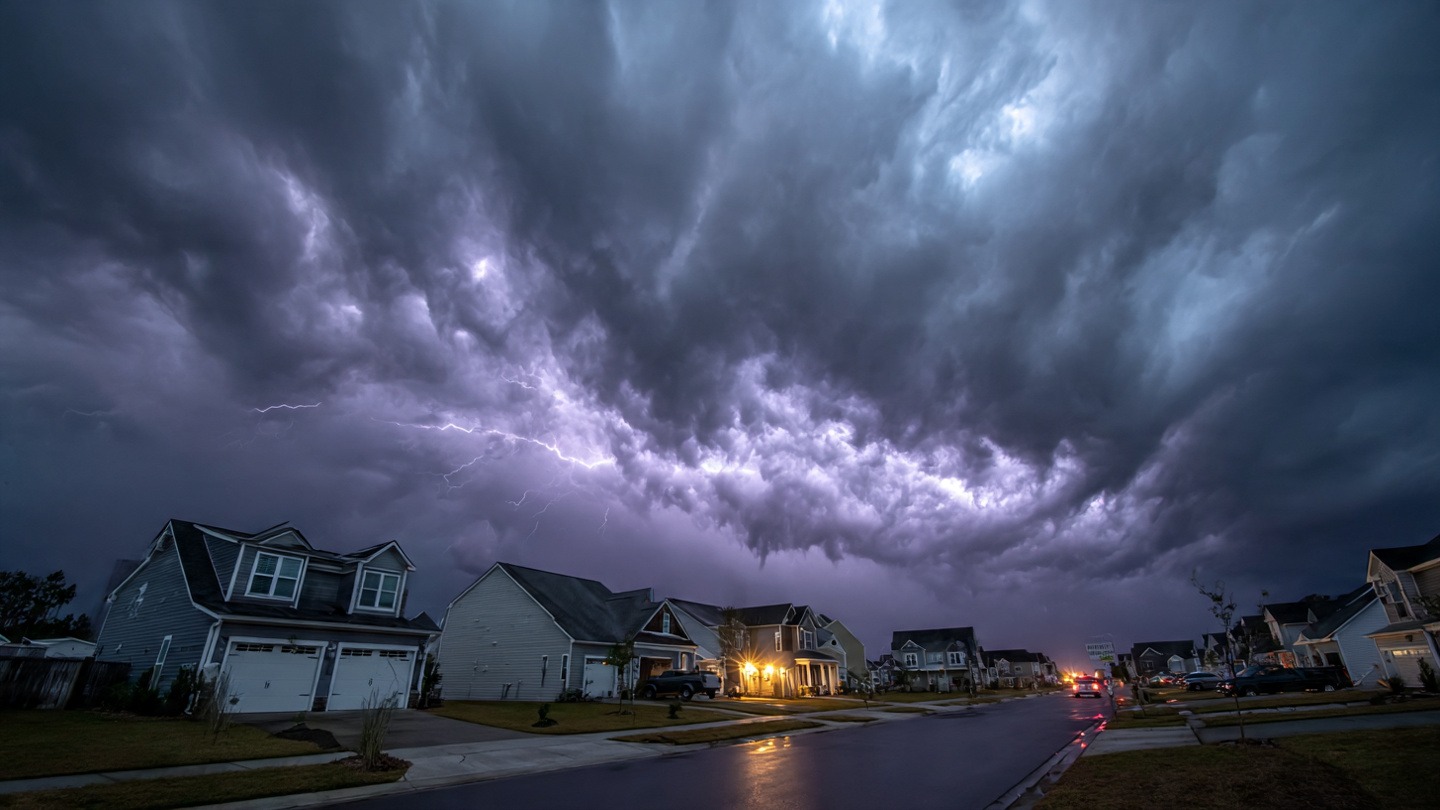
Multiple severe thunderstorm alerts issued for South Carolina counties have placed residents, emergency managers, and local authorities on heightened alert. As volatile weather systems move across the region, understanding the risks, warnings, and preparedness steps is essential to staying safe. Severe thunderstorms can develop rapidly, bringing damaging winds, large hail, intense lightning, and localized flooding that disrupt daily life and threaten public safety.
In recent years, South Carolina has experienced an increase in weather-related alerts, particularly during the spring and summer storm seasons. Meteorologists stress that early awareness and timely response can significantly reduce injuries and property damage when multiple severe thunderstorm alerts are issued for South Carolina counties.
This comprehensive guide explains why these alerts are being issued, which areas are most affected, what hazards to expect, and how residents can prepare and respond effectively.
Understanding Multiple Severe Thunderstorm Alerts Issued for South Carolina Counties
When multiple severe thunderstorm alerts are issued for South Carolina counties, it means meteorologists have identified conditions favorable for storms that meet specific severity criteria. These alerts are not issued lightly and are based on advanced radar, satellite data, and real-time atmospheric analysis.
What Triggers a Severe Thunderstorm Alert?
A thunderstorm is classified as “severe” when it produces:
- Wind gusts of 58 mph (93 km/h) or higher
- Hail 1 inch in diameter or larger
- Frequent and dangerous lightning
When these conditions are expected or already occurring, warnings are issued to protect life and property.
Why South Carolina Is Vulnerable to Severe Thunderstorms
South Carolina’s geography and climate make it particularly susceptible to severe weather events. Warm, moist air from the Atlantic Ocean and Gulf of Mexico often collides with cooler air masses, creating instability in the atmosphere.
Key contributing factors include:
- High humidity levels that fuel storm development
- Flat coastal plains allowing storms to intensify rapidly
- Seasonal frontal systems moving through the Southeast
These conditions help explain why South Carolina severe thunderstorm alerts today are becoming more frequent during peak storm seasons.
Counties Most Affected by Current Alerts
When multiple severe thunderstorm alerts are issued for South Carolina counties, the impact often varies by region. Coastal, Midlands, and Upstate areas can experience different storm intensities depending on atmospheric conditions.
Commonly affected regions include:
- Lowcountry counties, where storms may bring heavy rainfall and flash flooding
- Midlands counties, often impacted by strong wind gusts and lightning
- Upstate counties, which may experience hail and rapid storm development
Emergency management agencies closely monitor these patterns to issue timely advisories.
South Carolina Severe Thunderstorm Alerts Today: What to Expect
During active weather periods, South Carolina severe thunderstorm alerts today may evolve quickly from watches to warnings. A watch indicates that conditions are favorable for severe storms, while a warning means severe weather is imminent or already occurring.
Residents should expect:
- Sudden weather changes
- Potential power outages
- Travel disruptions due to heavy rain and debris
Staying informed through reliable sources is critical during these rapidly changing situations.
Role of the National Weather Service in Issuing Alerts
The National Weather Service (NWS) plays a central role in monitoring and issuing alerts. Using Doppler radar, storm spotters, and advanced forecasting models, the NWS provides accurate and timely warnings.
According to guidance from the National Weather Service severe weather safety page, early warnings significantly reduce storm-related injuries and fatalities when followed promptly.
Severe Weather Warnings South Carolina Counties: Types Explained
Understanding the different alert levels helps residents respond appropriately when severe weather warnings South Carolina counties are announced.
Common Alert Types
- Severe Thunderstorm Watch – Conditions are favorable for severe storms.
- Severe Thunderstorm Warning – Severe weather is occurring or imminent.
- Flash Flood Warning – Rapid flooding is expected or already happening.
Each alert level requires a different level of preparedness and response.
Severe Thunderstorm Warning South Carolina Today: Immediate Safety Steps
When a severe thunderstorm warning South Carolina today is issued, immediate action is crucial. These warnings typically last 30 to 60 minutes but can be extended if storms persist.
Recommended actions include:
- Move indoors and stay away from windows
- Secure outdoor furniture and loose objects
- Avoid using electrical appliances during lightning activity
- Delay travel until conditions improve
These steps can prevent injuries and reduce property damage during severe weather events.
Impact on Communities and Infrastructure
Multiple severe thunderstorm alerts issued for South Carolina counties often lead to significant community impacts. Past storms have caused:
- Widespread power outages affecting thousands of households
- Flooded roadways and temporary school closures
- Agricultural losses due to hail and strong winds
In a 2023 storm event, several counties reported wind gusts exceeding 60 mph, resulting in downed trees and damaged power lines across residential neighborhoods.
Emergency Management Response Across the State
State and county emergency management agencies coordinate closely during periods of heightened alert. When multiple severe thunderstorm alerts are issued for South Carolina counties, response teams focus on:
- Pre-positioning emergency crews
- Monitoring flood-prone areas
- Communicating safety updates to the public
This coordinated approach helps ensure a faster recovery once storms pass.
Preparing Your Home and Family for Severe Thunderstorms
Preparation is key to minimizing risk. Before storms develop, residents should create a severe weather plan tailored to their household.
Home Preparation Checklist
- Trim trees near your home
- Secure outdoor items
- Check drainage systems for blockages
- Keep flashlights and batteries readily available
Family Safety Planning
- Identify a safe indoor shelter area
- Discuss emergency communication plans
- Ensure pets have a safe place indoors
How Businesses Can Reduce Storm-Related Risks
Businesses across South Carolina also face challenges during severe weather events. Proactive planning can limit operational disruptions when South Carolina severe thunderstorm alerts today are in effect.
Business preparedness tips:
- Back up critical data
- Inspect roofing and drainage systems
- Develop employee safety protocols
- Monitor official alerts during operating hours
Long-Term Trends in South Carolina Severe Weather
Climate experts note an increase in the intensity of thunderstorms across the Southeast. While not every storm becomes severe, warmer temperatures and higher moisture levels contribute to stronger weather systems.
This trend underscores the importance of public awareness when multiple severe thunderstorm alerts are issued for South Carolina counties, especially during peak seasons.
FAQs About Multiple Severe Thunderstorm Alerts Issued for South Carolina Counties
1. Why are multiple severe thunderstorm alerts issued at once?
Alerts may cover several counties simultaneously when a large storm system affects a broad region.
2. How long do severe thunderstorm warnings usually last?
Most warnings last between 30 and 60 minutes, but they can be extended if storms persist.
3. Are severe thunderstorms the same as tornado warnings?
No. Severe thunderstorms involve strong winds or hail, while tornado warnings indicate rotating storms capable of producing tornadoes.
4. What should I do if I’m driving during a warning?
Safely pull over, avoid flooded roads, and wait until conditions improve before continuing.
5. Where can I get reliable updates?
Official updates from the National Weather Service and local emergency management agencies are the most reliable sources.
Conclusion: Staying Safe During Severe Weather Events
Multiple severe thunderstorm alerts issued for South Carolina counties serve as a critical reminder of the state’s vulnerability to extreme weather. By understanding the warning system, monitoring reliable sources, and taking proactive safety measures, residents can significantly reduce risks to life and property.
Preparedness, awareness, and timely action remain the most effective defenses against severe thunderstorms in South Carolina.
Call to Action
Stay informed and prepared. Sign up for local weather alerts, review your emergency plan today, and share safety information with family and neighbors to help protect your community during severe thunderstorms.
