
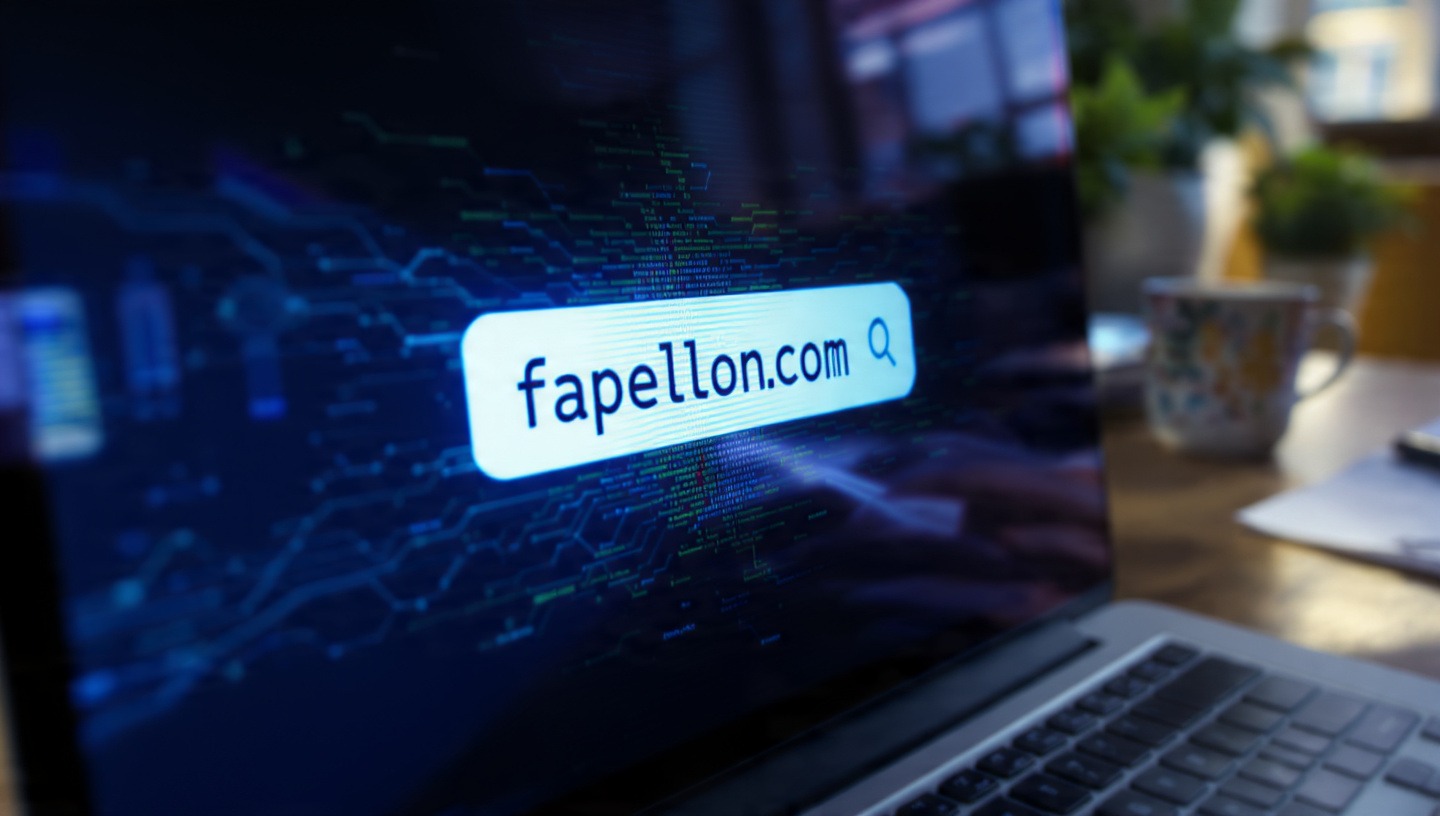
Sometimes a word pops up online and you just… pause.
fapelloncom
No spaces. No obvious meaning. No familiar brand attached to it.
It looks like a website, but it’s missing the dot before “com.” That tiny detail changes everything. Is it a typo? A hidden domain? A brand in the making? Or something you should avoid clicking altogether?
When people search for fapelloncom, they’re usually trying to answer one simple question:
Is this safe?
Let’s unpack it calmly, clearly, and without drama.
First Things First: Is fapelloncom a Real Website?
The structure is interesting.
Normally, domains follow this pattern:
name + .com
But “fapelloncom” appears compressed as if someone removed the dot.
That could mean:
- A typo of an actual domain
- A miswritten URL
- A brand name without extension
- A phishing trick designed to look confusing
Tiny spelling changes are one of the oldest online tactics. One missing dot. One extra letter. That’s all it takes to redirect traffic.
And most people don’t notice at first glance.
Why Strange Domains Raise Red Flags
We’ve all seen weird-looking URLs.
Random letters. Unfamiliar names. No branding.
And over time, we’ve learned to associate that with risk.
Cybersecurity reports consistently show that lookalike domains and typo domains are common tools in phishing attacks. Fraudsters create similar-looking names to trick users into entering passwords or payment information.
For example, someone might think they’re visiting a legitimate brand, when in reality they’re on a cleverly altered version.
That’s why search engines exist to double-check before clicking.
If you want to investigate suspicious URLs safely, tools like VirusTotal let you scan links without opening them directly.
That’s a smart first step.
Could fapelloncom Be a Brand in Development?
It’s possible.
Not every unusual name is malicious.
Startups sometimes:
- Register domains before launching
- Test landing pages privately
- Use placeholder URLs
- Reserve names for future projects
If fapelloncom is being searched more frequently, it could signal:
- A soft launch
- A marketing test
- A new digital project
- Or even a trending typo
The internet moves fast. Names appear before context does.
The Psychology Behind Searching Unknown Names
Let’s be honest.
When you see something unfamiliar online, curiosity kicks in.
You want clarity.
We’ve been conditioned to verify everything. And that’s a good habit.
According to cybersecurity trend analyses published by organizations like the Federal Trade Commission, phishing and deceptive domains remain among the top digital threats globally.
That doesn’t mean fapelloncom is dangerous.
It just means caution is reasonable.
Real-Life Example: The One-Letter Trap
A small business owner I know once clicked what he thought was a supplier’s site.
Turned out the domain was off by one character.
The page looked identical to the original.
He entered login credentials.
Within hours, his email account was compromised.
It wasn’t sophisticated hacking. It was a spelling trick.
That’s why names like fapelloncom make people pause.
Not paranoia. Pattern recognition.
How to Check fapelloncom Safely
Before interacting with any unfamiliar domain, take a few simple steps:
1. Search It First
If others have reported issues, you’ll likely see discussions or warning posts.
2. Check Domain Registration
You can look up domain registration details through tools like ICANN Lookup. That gives you insight into when a domain was created and where it’s registered.
3. Avoid Entering Personal Information
Even if a site looks legitimate, don’t provide passwords, OTP codes, or financial details unless you’re 100% certain of authenticity.
4. Trust the URL Structure
Legitimate brands protect their domain names carefully. Strange formatting or compressed wording can signal caution.
Why Domain Confusion Is Increasing in 2026
There are now over 1,500 top-level domain extensions globally.
.com
.net
.org
.io
.pages
.store
.app
And hundreds more.
That expansion makes it easier to register new domains quickly.
It also makes confusion easier.
Add AI-generated website templates to the mix, and fake sites can look surprisingly professional.
Which means your strongest defense isn’t tech knowledge.
It’s awareness.
Could It Just Be a Typo?
Yes.
Sometimes people accidentally remove dots while typing URLs.
“fapelloncom” could simply be someone typing fast and missing the period.
Search behavior often spikes because:
- Someone mistyped
- The name appeared in a message
- A link was copied incorrectly
- A social post referenced it
Not every strange string hides something dramatic.
FAQs
What is fapelloncom?
It appears to be a compressed or typo-style domain name. Without context, it’s unclear whether it refers to a legitimate website or a misspelling.
Is fapelloncom safe?
There is no confirmed public information labeling it as malicious, but users should verify before interacting.
Why do strange domain names appear online?
They can result from new startups, test sites, typo domains, or sometimes phishing attempts.
How can I check if a domain is real?
Use domain lookup services, security scanners, and always verify official brand URLs directly.
What should I do if I visited a suspicious site?
If no personal data was entered, you’re likely safe. If credentials were shared, change passwords immediately.
Final Thoughts
The internet is full of strange names.
Some are harmless. Some are new projects. Some are mistakes. A few are risky.
fapelloncom sits in that uncertain space unusual enough to question, not automatically dangerous.
And questioning it? That’s the smart move.
Pause before clicking. Verify before trusting. That’s how you stay ahead.
Because online safety isn’t about fear.
It’s about habits.
