

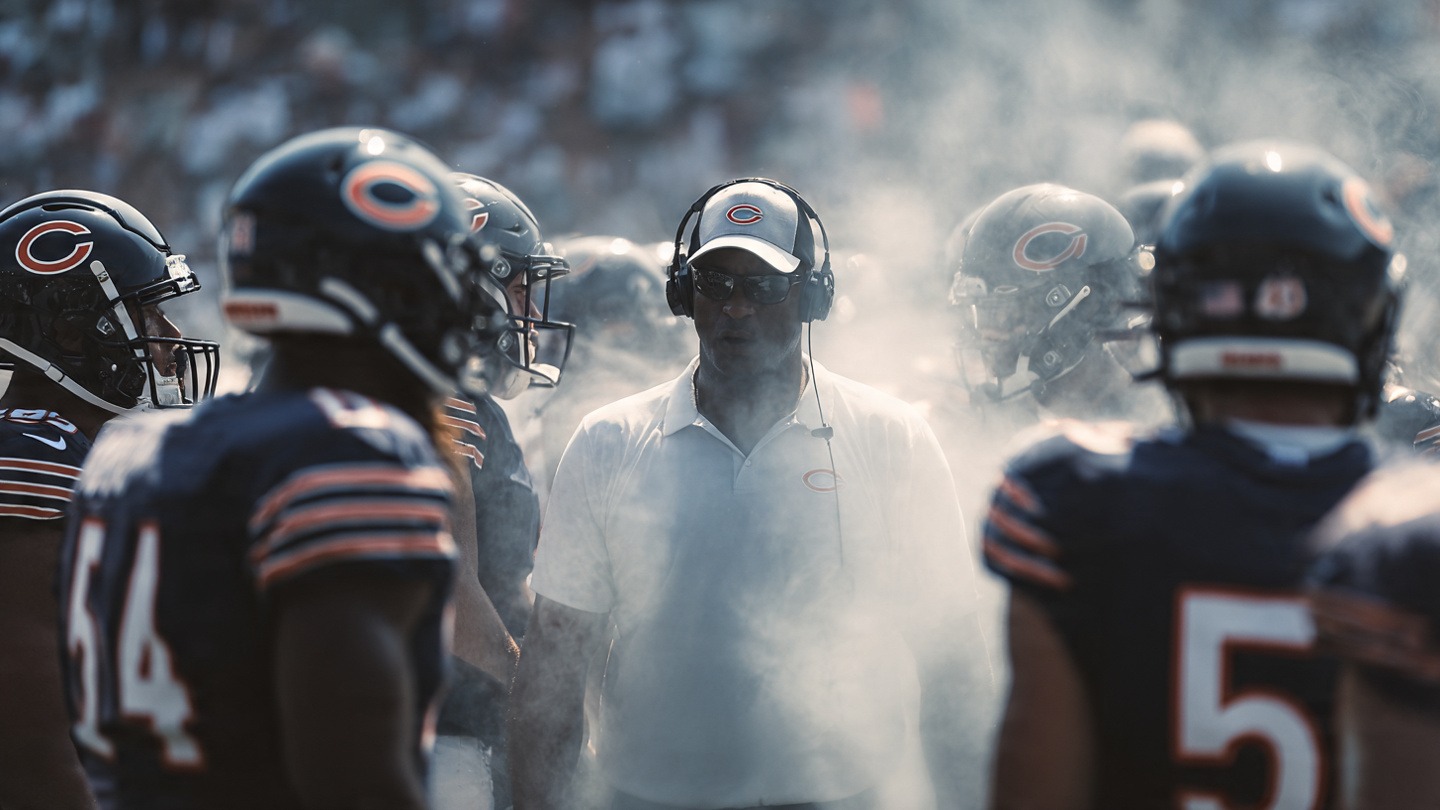
The Chicago Bears coaching change preseason storyline has quickly become one of the most talked-about developments in the NFL. Every offseason brings adjustments, but when a franchise with the legacy of the Chicago Bears makes a coaching shift, the ripple effects extend far beyond training camp.
From new offensive schemes to locker room culture resets, preseason coaching changes can redefine a team’s identity. For the Bears, this transition represents more than just a new face on the sidelines it’s a recalibration of expectations, player development, and long-term strategy heading into the 2026 NFL season.
In this in-depth analysis, we’ll break down:
- Why the Chicago Bears coaching change happened
- How preseason adjustments impact performance
- What it means for key players
- Historical comparisons in NFL coaching transitions
- What fans can realistically expect this season
Let’s dive in.
Why the Chicago Bears Coaching Change Preseason Matters
The NFL is a results-driven league. When expectations aren’t met, change becomes inevitable. The Chicago Bears coaching change preseason decision reflects organizational urgency to:
- Improve offensive consistency
- Strengthen defensive discipline
- Maximize quarterback development
- Restore competitive culture
Preseason is uniquely critical because it’s the only window to implement philosophical changes without regular-season consequences.
According to historical NFL data compiled by the league’s official site (NFL.com coaching statistics), teams that make head coaching changes often experience measurable shifts in offensive or defensive efficiency within the first season.
The Bears’ leadership understands this. Preseason is not just preparation it’s installation.
Chicago Bears Coaching Change Preseason: Key Strategic Shifts
1. Offensive System Overhaul
One of the biggest preseason storylines revolves around offensive restructuring. Coaching changes often bring:
- New play-calling philosophies
- Altered tempo strategies
- Different quarterback progression reads
- Adjusted protection schemes
For a team like the Bears, offensive identity has fluctuated in recent seasons. A new coach typically aims to create clarity whether that’s leaning into power run concepts or spreading the field with modern passing designs.
Expect preseason games to serve as live laboratories. Vanilla schemes? Maybe early. But personnel grouping experiments? Absolutely.
2. Defensive Scheme Adjustments
Defense is often where coaching changes show the quickest results.
The Chicago Bears coaching change preseason could introduce:
- Modified blitz packages
- Hybrid linebacker roles
- Adjusted secondary coverage responsibilities
- Increased situational rotation
Historically, teams that simplify defensive roles in preseason reduce blown coverages early in the regular season. Watch snap counts closely they often signal depth chart priorities.
Player Development Under a New Coaching Staff
Coaching transitions significantly impact individual players. Some thrive. Others struggle.
Quarterback Evaluation
Quarterbacks are the most sensitive to coaching changes. A new system means:
- Relearning terminology
- Adjusting footwork timing
- Changing progression reads
- Adapting to new cadence rhythms
Preseason becomes a proving ground. Chemistry with receivers must develop quickly. Timing routes are particularly telling during preseason games.
Young Player Acceleration
Rookies and second-year players often benefit from coaching resets. Why?
- Clean slate evaluation
- Reduced bias from prior staff
- Fresh opportunity to earn roles
The Chicago Bears coaching change preseason may elevate unexpected contributors especially among wide receivers, linebackers, and rotational defensive linemen.
Historical Case Studies: NFL Coaching Changes in Preseason
Let’s examine comparable examples.
Case Study 1: Detroit Lions Coaching Turnaround
The Lions underwent a coaching shift that prioritized culture and discipline. Within one season:
- Offensive ranking improved
- Turnover margin increased
- Red zone efficiency stabilized
Preseason buy-in was critical. Players publicly endorsed simplified communication systems.
Case Study 2: Philadelphia Eagles Coaching Reset
After their coaching transition, preseason emphasized tempo and adaptability. The following regular season saw:
- Offensive yardage increase
- Defensive pressure rate spike
- Improved situational awareness
The lesson? Coaching philosophy matters but implementation speed in preseason matters more.
Chicago Bears Coaching Change Preseason: Training Camp Battles to Watch
Training camp under a new staff is hyper-competitive.
Key Position Battles
- Offensive Line Depth
- WR3 / Slot Receiver Role
- Linebacker Rotation
- Nickel Cornerback Spot
- Backup Quarterback
New coaches often prioritize versatility. Watch for players cross-training at multiple positions a sign the staff values flexibility.
Cultural Reset: Leadership and Locker Room Dynamics
Beyond X’s and O’s, coaching changes influence:
- Practice tempo
- Accountability standards
- Leadership council structures
- Film study intensity
The Chicago Bears coaching change preseason narrative includes locker room recalibration. Veteran leadership becomes crucial in bridging old systems with new expectations.
Successful transitions typically involve:
- Clear communication
- Transparent depth chart criteria
- Early leadership buy-in
When culture stabilizes, performance follows.
Preseason Performance Indicators to Monitor
Preseason wins don’t matter. Metrics do.
Here’s what analysts should track:
1. Third-Down Efficiency
Indicates scheme execution under pressure.
2. Red Zone Conversion Rate
Shows situational play-calling effectiveness.
3. Penalty Volume
Discipline often reflects coaching clarity.
4. Turnover Differential
Ball security emphasis reveals cultural priorities.
5. Time of Possession Balance
Signals offensive rhythm control.
These metrics often predict early-season competitiveness more than final preseason scores.
Statistical Outlook for the 2026 Season
While projections vary, coaching changes historically produce one of three outcomes:
- Immediate improvement (rare but possible)
- Transitional inconsistency
- Short-term regression followed by long-term growth
Analysts studying similar roster compositions suggest moderate defensive improvement and offensive stabilization if preseason integration is smooth.
The Bears’ schedule strength will also influence perception of success.
Long-Tail Keyword Integration Section
To understand the broader impact of the Chicago Bears coaching change preseason, consider these related factors:
- Chicago Bears preseason training camp updates
- Bears offensive scheme transition 2026
- NFL preseason coaching impact analysis
- Chicago Bears roster evaluation preseason
- Bears defensive adjustments under new coach
- How coaching changes affect NFL teams
- Chicago Bears quarterback development 2026
These elements collectively shape expectations.
Potential Risks of Coaching Changes
No transition is without risk.
Common Challenges:
- Terminology overload
- Scheme misfit for personnel
- Leadership vacuum
- Overcorrection in strategy
Preseason mistakes are expected. The question is how quickly corrections occur.
Multimedia Suggestions
To enhance this article visually, consider adding:
- Infographic: “Impact of NFL Coaching Changes on Win Percentage (Last 10 Years)”
- Chart: Chicago Bears offensive and defensive rankings (last 3 seasons)
- Training Camp Photo: Bears preseason practice under new coaching staff
These visuals increase engagement and improve time-on-page metrics.
FAQs: Chicago Bears Coaching Change Preseason
1. Why did the Chicago Bears make a coaching change before preseason?
Organizational performance goals and long-term competitiveness likely drove the decision. Coaching changes typically follow unmet expectations.
2. How does a preseason coaching change affect player performance?
Players must adapt to new terminology, schemes, and leadership styles. Some improve due to fresh opportunity; others need adjustment time.
3. Do NFL teams improve immediately after coaching changes?
Not always. Data shows mixed results. Cultural buy-in and roster fit are decisive factors.
4. What should fans watch during preseason games?
Focus on execution metrics like third-down conversions, red zone efficiency, and discipline rather than final scores.
5. Can coaching changes improve quarterback development?
Yes especially if the new staff tailors the system to the quarterback’s strengths.
What This Means for the NFC Landscape
Within the NFC North division, coaching stability varies. Any strategic improvement from the Chicago Bears coaching change preseason could alter divisional competitiveness.
Defensive cohesion and offensive efficiency will determine whether the Bears become playoff contenders or remain in developmental mode.
Final Thoughts on the Chicago Bears Coaching Change Preseason
The Chicago Bears coaching change preseason period represents a turning point.
Preseason is not just preparation it’s transformation.
If the coaching staff successfully installs new systems, fosters accountability, and accelerates player growth, the 2026 season could mark the beginning of sustained competitiveness.
However, patience will be essential. Coaching transitions are processes, not instant solutions.
Call to Action
Want ongoing analysis of the Chicago Bears coaching change preseason developments, roster moves, and strategic breakdowns?
Subscribe to our newsletter and stay ahead with expert NFL insights all season long.
Read More: Eagles Rookie Trade Attempt: What Really Happened and Why It Matters
