

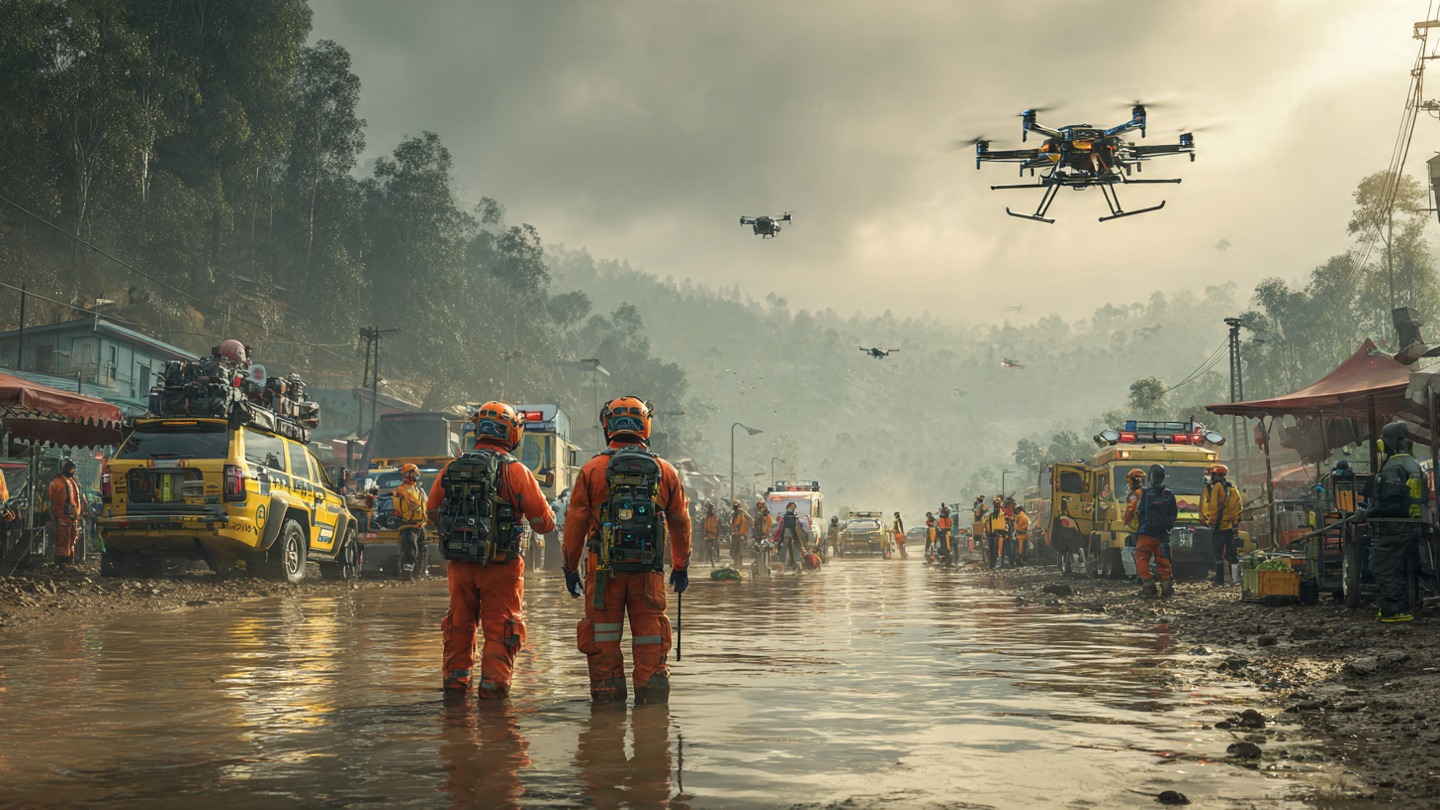
How can we empower the disaster management crew in a world increasingly affected by natural disasters, climate change, and complex emergencies? This critical question shapes public policy, community preparedness, and global humanitarian efforts. Disaster management crews are the backbone of emergency response risking their lives to protect communities from floods, earthquakes, storms, wildfires, and pandemics.
Empowering these teams requires more than basic funding. It involves training, technology, mental health support, leadership development, and coordinated planning. From local response units to global humanitarian organizations like the Federal Emergency Management Agency and the United Nations Office for Disaster Risk Reduction, disaster response systems depend on preparedness and collaboration.
This comprehensive guide explores practical strategies, real-world examples, and policy-level reforms that answer the vital question: how can we empower the disaster management crew effectively and sustainably?
Why It Matters: Understanding the Role of Disaster Management Crews
Before discussing how can we empower the disaster management crew, it’s essential to understand their responsibilities.
Disaster management crews handle:
- Emergency rescue and evacuation
- Search and recovery operations
- Medical first response
- Infrastructure assessment
- Relief distribution
- Community rehabilitation
According to global disaster data published by the UN Office for Disaster Risk Reduction, disasters affect millions of people each year, underscoring the need for well-equipped and highly trained response teams.
Without empowered crews, response times slow, coordination weakens, and recovery becomes prolonged and costly.
How Can We Empower the Disaster Management Crew Through Advanced Training Programs
One of the most important strategies involves training programs for disaster management teams that are continuous, practical, and scenario-based.
1. Simulation-Based Training
Realistic drills improve decision-making under pressure. These exercises include:
- Earthquake simulations
- Flood evacuation models
- Fire response drills
- Mass casualty scenarios
2. Cross-Agency Collaboration
Joint training sessions with:
- Police departments
- Fire services
- Medical teams
- Military units
This ensures seamless coordination during large-scale emergencies.
3. Specialized Skill Development
Teams should receive certifications in:
- Hazardous material handling
- Advanced trauma life support
- Swift water rescue
- Urban search and rescue
Empowerment begins with competence and confidence.
How Can We Empower the Disaster Management Crew With Technology and Equipment
Modern emergencies require modern tools. Investing in modern equipment for emergency response crews dramatically enhances efficiency and safety.
Essential Technological Upgrades
- Drones for aerial surveillance
- Thermal imaging cameras
- Satellite communication devices
- Portable water purification systems
- GPS-enabled rescue tracking tools
For example, during hurricane responses in the United States, agencies supported by FEMA use drones to assess damage before crews enter dangerous zones.
Technology reduces risk exposure and improves real-time situational awareness.
Improving Disaster Response Team Effectiveness Through Leadership Development
Strong leadership is essential for improving disaster response team effectiveness. Leaders must remain calm, decisive, and adaptable.
Key Leadership Skills:
- Crisis communication
- Resource allocation
- Emotional intelligence
- Rapid risk assessment
Leadership training workshops and command simulation exercises help team leaders prepare for high-stress environments.
Mental Health and Psychological Support Systems
One often overlooked aspect of how can we empower the disaster management crew is mental health support.
Emergency responders frequently experience:
- Trauma exposure
- Burnout
- Post-traumatic stress disorder (PTSD)
- Fatigue-related errors
Providing:
- Counseling services
- Rotational shifts
- Peer support groups
- Resilience training programs
ensures long-term workforce sustainability.
Community-Based Disaster Management Empowerment
Another powerful approach involves community-based disaster management empowerment. Disaster response is most effective when communities actively participate.
How Communities Help Empower Crews:
- Volunteer training programs
- Early warning systems
- Local emergency committees
- Public awareness campaigns
When communities are informed and prepared, disaster crews can focus on complex rescue operations rather than basic coordination.
Case studies from flood-prone regions show that community preparedness reduces casualties significantly.
Policy and Government Support: Strengthening Disaster Management Workforce Capacity
Government policy plays a central role in strengthening disaster management workforce capacity.
Critical Policy Measures:
- Increased budget allocation
- Modern infrastructure investment
- National disaster preparedness plans
- Data-driven risk mapping
- Interagency communication platforms
Countries with comprehensive preparedness strategies recover faster and experience lower mortality rates during disasters.
Funding and Resource Allocation Strategies
Empowerment requires sustainable funding. Budget cuts can severely limit preparedness and response capability.
Funding should prioritize:
- Training programs
- Equipment upgrades
- Communication systems
- Emergency shelters
- Research and innovation
Public-private partnerships can also provide additional support and technological innovation.
Case Study: Empowering Crews During Major Hurricanes
During major hurricane seasons in the United States, FEMA and state agencies demonstrated how preparedness improves outcomes.
Key empowerment measures included:
- Pre-deployment of rescue units
- Stockpiling emergency supplies
- Real-time coordination with weather services
- Public communication systems
These measures reduced response time and increased operational efficiency.
Building a Culture of Preparedness
Empowerment is not a one-time effort—it’s a culture.
Organizations must foster:
- Continuous learning
- Transparent communication
- Accountability systems
- Regular emergency drills
Preparedness culture ensures readiness before disaster strikes.
Leveraging Data and Research for Smarter Responses
Modern disaster management increasingly relies on predictive analytics.
Using:
- Climate data modeling
- Geographic Information Systems (GIS)
- Artificial intelligence forecasting tools
crews can anticipate disasters rather than simply react to them.
Data-driven planning improves safety and reduces operational chaos.
The Role of International Collaboration
Global partnerships enhance local capacity.
Organizations such as the United Nations Office for Disaster Risk Reduction promote shared knowledge and cross-border training programs.
International collaboration allows:
- Technology sharing
- Joint simulations
- Funding support
- Global disaster research
This collective approach strengthens worldwide resilience.
FAQs: How Can We Empower the Disaster Management Crew?
1. Why is empowering disaster crews important?
Empowered crews respond faster, operate more safely, and reduce disaster-related casualties and damage.
2. What is the biggest challenge facing disaster management teams?
Limited funding, outdated equipment, and burnout are major challenges.
3. How does technology improve disaster response?
Technology provides real-time data, improves coordination, and reduces risks during rescue operations.
4. Can communities help empower disaster crews?
Yes. Community training and awareness significantly enhance overall disaster resilience.
5. How can governments strengthen disaster response systems?
By investing in workforce capacity, infrastructure, training, and modern equipment.
Conclusion: A Collective Responsibility
So, how can we empower the disaster management crew? The answer lies in a comprehensive approach that combines training, technology, mental health support, leadership development, and strong policy frameworks. Empowerment requires commitment from governments, organizations, communities, and individuals alike.
As disasters grow more complex due to climate change and urbanization, strengthening disaster management workforce capacity becomes not just an option but a necessity.
Call to Action
Support disaster preparedness in your community today. Advocate for better funding, participate in local emergency training programs, and spread awareness about disaster resilience. Empowered crews save lives your involvement makes a difference.
