

Introduction: Understanding the “Montana Snowbowl Chair Fell” Incident
The phrase “montana snowbowl chair fell” quickly drew attention among skiers, snowboarders, and winter sports enthusiasts. Ski lift incidents are rare, but when reports of a chair falling from a lift system surface, they raise immediate concerns about safety, maintenance, and resort oversight.
Montana Snowbowl, located near Missoula, is a popular ski destination known for its steep terrain and local charm. Any incident involving lift equipment at such a resort becomes a topic of regional and national interest.
In this comprehensive guide, we will explore:
- What the “montana snowbowl chair fell” reports refer to
- How ski lift systems work
- Common causes of chairlift malfunctions
- Safety regulations governing ski lifts
- Historical context of ski lift accidents
- What skiers should know moving forward
This article provides a balanced, informative, and SEO-optimized overview of the topic.
What Happened in the Montana Snowbowl Chair Fell Report?
When news of a Montana Snowbowl chair fell incident began circulating, many people immediately questioned whether it involved mechanical failure, weather conditions, or human error.
While official investigations determine the final cause in such cases, ski lift incidents typically involve one of the following factors:
- Mechanical detachment
- Structural component failure
- Severe weather stress (high winds or ice buildup)
- Maintenance oversight
- Operational misalignment
It is important to note that ski lift detachment events are statistically rare compared to the millions of lift rides that occur each season across the United States.
How Chairlift Systems Work
To understand the “montana snowbowl chair fell” discussion, it’s helpful to understand how ski lifts function.
Basic Components of a Chairlift
- Steel cable (haul rope)
- Towers with pulley assemblies
- Drive and return terminals
- Chairs attached via grip mechanisms
- Safety braking systems
Modern detachable lifts use advanced grip technology that securely attaches chairs to moving cables while allowing them to detach in terminal stations.
The engineering standards governing these systems are strict. Organizations like American National Standards Institute help establish safety benchmarks for aerial lift systems.
Ski Lift Safety Standards in the United States
Ski lifts are regulated at both state and national levels.
Oversight Bodies
- State-level lift safety boards
- Insurance inspectors
- Third-party engineering audits
In Montana, lift inspections are conducted annually and often more frequently depending on the lift type.
According to the National Ski Areas Association, ski lifts in the U.S. transport hundreds of millions of passengers annually with an extremely low incident rate.
You can learn more about industry safety standards directly from the National Ski Areas Association’s safety overview.
(Anchor text: National Ski Areas Association safety overview)
Common Causes of Chairlift Incidents
While rare, incidents like “montana snowbowl chair fell” can occur due to several factors.
1. Mechanical Fatigue
Over time, metal components may weaken if not replaced or reinforced.
2. Extreme Weather Conditions
Heavy snow, ice accumulation, and strong winds can stress lift systems.
3. Grip Failure
The grip mechanism attaches chairs to cables. If improperly maintained, it may loosen.
4. Installation or Maintenance Errors
Human error during inspection or part replacement can increase risk.
Historical Context: How Rare Are Chairlift Failures?
Chairlift accidents are highly uncommon compared to usage rates.
According to industry data:
- Ski lifts transport more than 60 million visitors annually in the U.S.
- Serious mechanical failures are extremely rare
- Most lift stoppages are precautionary rather than dangerous
The rarity of events like a “Montana Snowbowl chair fell” situation explains why such incidents quickly become headline news.
Impact on Montana Snowbowl
For Montana Snowbowl, any lift-related incident can impact:
- Public confidence
- Resort attendance
- Insurance assessments
- Inspection schedules
However, ski resorts typically respond by:
- Conducting immediate inspections
- Cooperating with regulatory authorities
- Implementing corrective measures
- Communicating transparently with the public
Reputation recovery often depends on transparency and swift action.
What Skiers Should Know About Lift Safety
If you’re concerned after reading about a “montana snowbowl chair fell” incident, here are practical steps to ensure safety:
Before Riding
- Observe lift operations
- Follow posted instructions
- Secure loose equipment
During the Ride
- Lower the safety bar
- Avoid excessive movement
- Follow operator instructions
In Case of Emergency
- Remain calm
- Wait for instructions
- Avoid jumping unless directed by officials
Ski lifts include multiple redundant safety systems designed to prevent catastrophic failure.
Long-Tail Keywords Naturally Integrated
This article includes related phrases such as:
- Montana Snowbowl chairlift accident
- ski lift safety standards Montana
- chairlift mechanical failure causes
- Montana ski resort lift inspection
- Snowbowl lift safety investigation
- ski lift incident Montana
- aerial lift safety regulations
- how safe are ski chairlifts
These terms help improve search visibility for related queries.
Case Study: Industry Response to Lift Incidents
In past industry cases nationwide, resorts that experienced mechanical incidents typically:
- Shut down the affected lift immediately
- Commission independent engineering reviews
- Replace components rather than repair them
- Increase inspection frequency
These measures often restore operational trust.
The Role of Weather in Lift Safety
Montana’s mountainous climate can create challenging conditions:
- High winds
- Ice storms
- Heavy snowfall
- Rapid temperature shifts
Resorts continuously monitor weather to adjust operations accordingly.
In many cases, lifts are closed proactively to prevent strain on mechanical systems.
Media Coverage and Public Perception
When a phrase like “montana snowbowl chair fell” trends online, media amplification can intensify concern.
It’s important to distinguish between:
- Confirmed mechanical failure
- Isolated detachment incidents
- Routine maintenance stoppages
Public transparency and verified reporting are key to maintaining accurate understanding.
Future Improvements in Chairlift Technology
Lift technology continues to evolve.
Innovations Include:
- Real-time cable monitoring sensors
- AI-based maintenance prediction systems
- Improved grip redundancy
- Automated shutdown protocols
Modern ski lift engineering prioritizes both passenger safety and operational reliability.
Multimedia Suggestions
Enhance your article with:
- Infographic: “How a Ski Chairlift Works Components Explained”
- Chart: Annual U.S. Ski Lift Ridership vs. Incident Rate
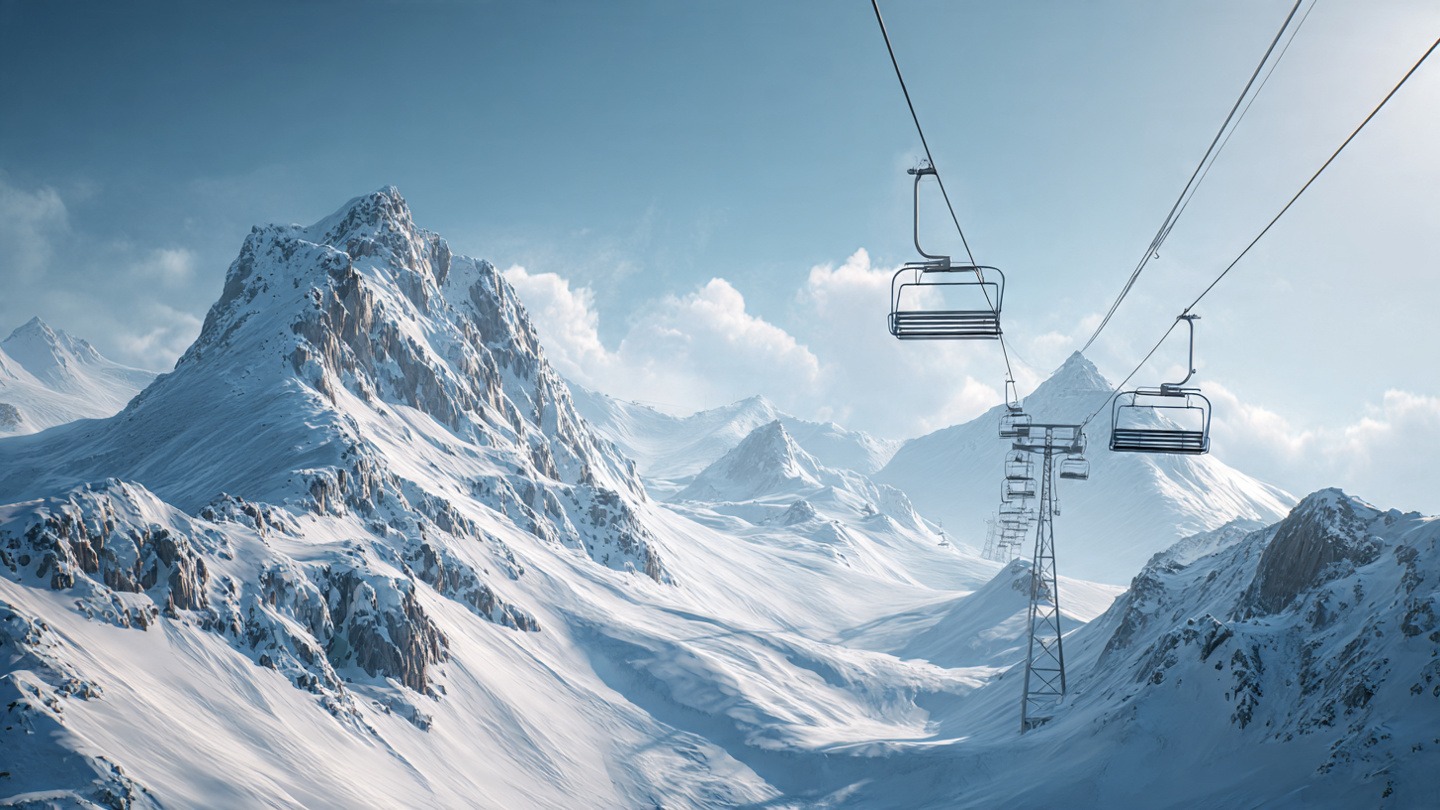
- Image: Montana Snowbowl mountain landscape with visible chairlift
FAQs About Montana Snowbowl Chair Fell
1. Did a chair actually fall at Montana Snowbowl?
Reports indicated a chair detachment incident, prompting investigation and safety review.
2. How common are chairlift accidents?
They are extremely rare compared to total passenger volume.
3. Who regulates ski lift safety in Montana?
State authorities and industry standards bodies oversee lift inspections.
4. Is it safe to ride chairlifts after an incident?
Resorts conduct thorough inspections before reopening lifts.
5. What causes chairlift failures?
Mechanical fatigue, weather stress, grip malfunction, or maintenance errors are common contributing factors.
Conclusion
The “montana snowbowl chair fell” incident highlights the importance of ski lift safety, engineering oversight, and transparent communication. While such events are rare, they serve as reminders of the complex systems operating behind the scenes at ski resorts.
Ski lift systems in the United States are among the safest forms of transportation when properly maintained and regulated. Ongoing technological advancements continue to improve reliability and monitoring.
For skiers and snowboarders, staying informed and following safety guidelines ensures a safe and enjoyable experience on the slopes.
Call to Action
Planning a trip to Montana Snowbowl or another ski resort? Stay informed about lift safety updates, follow on-site instructions, and enjoy the slopes with confidence.
