

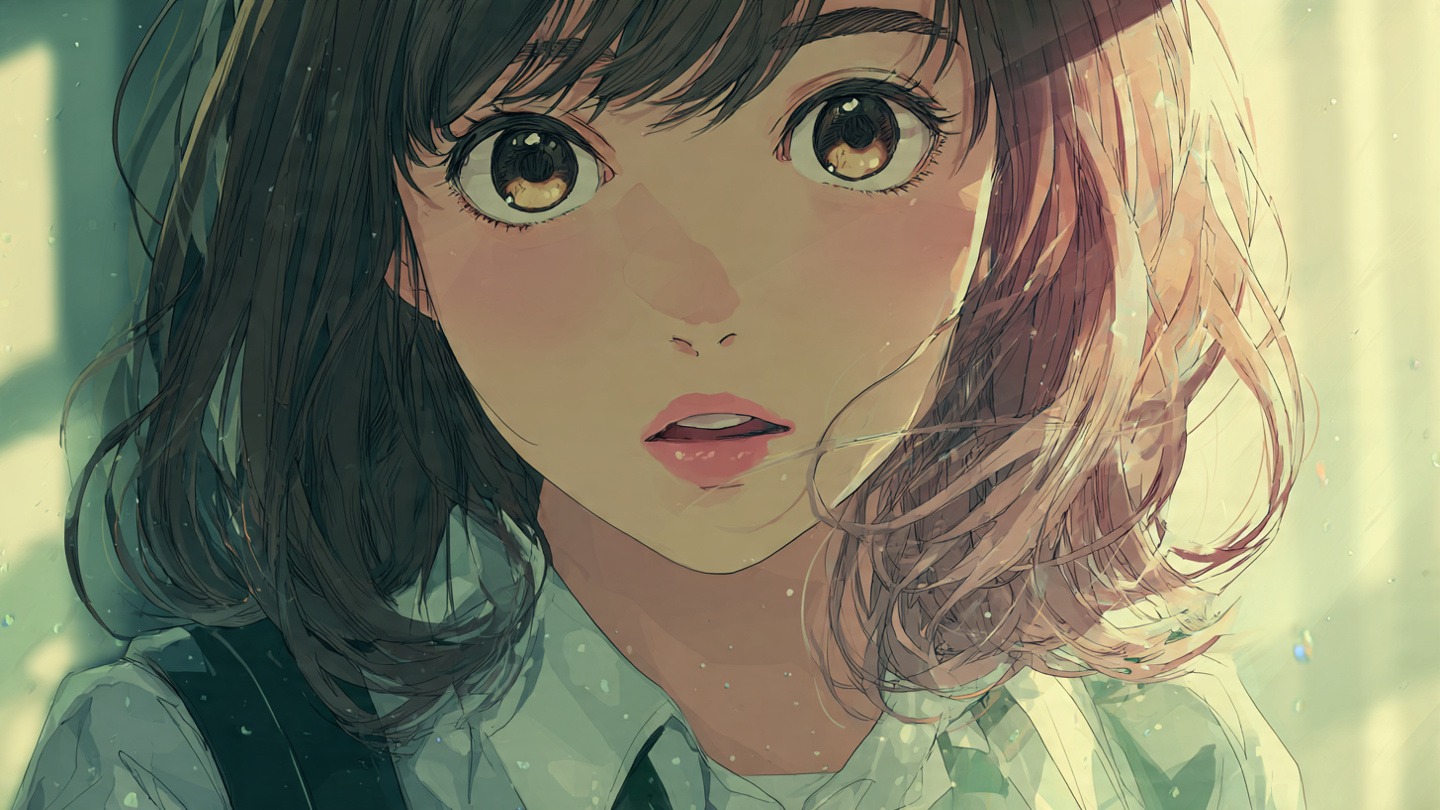
Search “anime girl before:2010” and you’re not just looking for old screenshots.
You’re chasing a feeling.
Maybe it’s the softer color palettes. Maybe it’s the hand-drawn warmth. Or maybe it’s that specific era of anime girls who felt… different. Less filtered. Less algorithm-optimized. More story-driven.
If you grew up watching late-night anime blocks or downloading episodes in 480p because that’s all your internet could handle, you know exactly what I mean.
Let’s rewind a bit.
What Defined an Anime Girl Before 2010?
Before streaming platforms took over. Before ultra-HD digital gloss. Before every season dropped 40 new isekai heroines with pastel hair and identical expressions.
An anime girl before:2010 often had:
- Distinct facial structure
- Larger, more expressive eyes (but not overly polished)
- Simpler shading techniques
- Hand-drawn animation texture
- Strong archetypes with emotional depth
The style varied by decade, of course.
An 80s heroine didn’t look like a mid-2000s tsundere. And that’s what made the era interesting evolution was visible.
The 80s and 90s: Bold Lines, Big Hair, Big Personalities
If you go back to classics like Sailor Moon, the anime girl design feels dramatic. Sharp eyes. Long legs. Flowing hair that defied gravity.
These characters weren’t subtle.
They were heroic, theatrical, emotionally loud.
Then you had cyberpunk aesthetics from titles like Neon Genesis Evangelion. Rei Ayanami became an icon pale skin, blue hair, minimal expression. Quiet strength.
The 90s introduced contrast:
- Magical girl optimism
- Psychological intensity
- Sci-fi cool detachment
And every anime girl had a presence that lingered.
Early 2000s: The Moe Boom Begins
Around 2003–2009, something shifted.
The “moe” aesthetic gained traction softer features, cuter proportions, emotionally vulnerable personalities.
Look at characters from The Melancholy of Haruhi Suzumiya or Lucky Star.
Big eyes got rounder. Faces got smoother. Expressions became meme-worthy.
And fan culture exploded online.
Forum signatures. AMVs. Early cosplay meetups.
An anime girl before:2010 wasn’t just a character. She was your desktop wallpaper.
The Hand-Drawn Feel (Yes, It Mattered)
Here’s something people forget.
Before 2010, a lot more animation relied heavily on traditional hand-drawn techniques. Digital tools existed, sure. But they hadn’t fully replaced the textured charm of older production methods.
You could feel the pencil strokes in certain frames.
Colors weren’t hyper-saturated. Lighting was flatter. Shadows were simpler.
That slight imperfection? It made characters feel human.
Today’s digital polish is stunning. But there’s something nostalgic about the grain of older anime.
Character Archetypes That Dominated Pre-2010
Let’s be honest. Archetypes existed long before 2010.
But they felt less… factory-produced.
Common types included:
Tsundere (But Rawer)
Think early iterations sharp-tongued but genuinely conflicted. Less exaggerated.
Quiet Intellectual
Reserved girls who carried emotional weight quietly. Often central to dramatic arcs.
Magical Girl Optimist
Hopeful, loud, determined. Fighting evil after school like it was homework.
The Cool Transfer Student
Mysterious. Slightly aloof. Always sitting by the window.
These weren’t just tropes. They were evolving templates.
Data Snapshot: Growth of Female Leads Pre-2010
Between 1995 and 2009, anime production nearly doubled annually. During that period:
- Female-led series increased significantly in shoujo and slice-of-life genres
- Magical girl subgenres diversified
- School-based narratives surged
Industry estimates show that by 2008, nearly 40% of seasonal anime featured prominent female protagonists.
That shift helped normalize strong, central anime girls not just side characters.
Cultural Impact Beyond Japan
Here’s where things get interesting.
Before 2010, anime distribution outside Japan relied on:
- DVD box sets
- Fan subs
- Late-night cable programming
Platforms like early YouTube and torrent communities helped spread awareness globally.
Anime girls became:
- Cosplay icons at conventions
- Online avatar staples
- Forum identity markers
You didn’t just watch the character. You identified with her.
Why Fans Search “Anime Girl Before:2010” Today
It’s nostalgia, yes.
But it’s also aesthetic preference.
Some fans feel modern character designs are too uniform. Too optimized for merchandise. Too glossy.
An anime girl before:2010 often felt like she existed primarily for storytelling not social media clips.
There’s also renewed appreciation for older series through streaming archives. Platforms like Crunchyroll’s classic catalog have revived interest in pre-2010 anime.
New fans are discovering older heroines for the first time.
And older fans? We’re revisiting them like old friends.
The Emotional Difference
This part is harder to quantify.
Older anime often moved slower. Dialogue-heavy scenes. Long pauses. Hand-animated facial shifts.
That pacing gave female characters room to breathe.
When someone cried, it lingered.
When someone smiled, it felt earned.
Modern anime sometimes prioritizes speed and spectacle. Not always but often.
And that changes how characters feel.
Art Style Evolution After 2010
Post-2010, high-definition animation and digital refinement became standard.
Hair gained more layered highlights. Eyes sparkled with multi-tone gradients. Skin shading improved dramatically.
It’s technically impressive.
But the charm of older styles remains powerful because it wasn’t trying to be perfect.
It was expressive.
FAQs About Anime Girl Before:2010
What makes anime girls before 2010 different?
Art styles were more hand-drawn, character archetypes felt less standardized, and pacing allowed deeper emotional development.
Were older anime girls less detailed?
Not necessarily. They had fewer digital effects but often stronger linework and expressive faces.
Why do people prefer pre-2010 designs?
Nostalgia plays a role, but many fans appreciate the storytelling focus and less polished aesthetic.
Did animation quality improve after 2010?
Technically, yes. Digital tools enhanced consistency and visual sharpness.
Are classic anime girls still relevant today?
Absolutely. Many remain cosplay favorites and cultural icons.
Final Thoughts
Searching “anime girl before:2010” isn’t just about old shows.
It’s about remembering an era when animation felt tactile. When characters weren’t optimized for trending clips. When your favorite heroine felt personal.
Those girls shaped anime culture globally.
They influenced art styles. Cosplay trends. Fan communities. Even modern character design.
And honestly?
They still hold up.
