
Some names arrive loudly. Bestsellers. Interviews. Book tours.
And then there are names like author decached heladim jomsel the kind you stumble upon late at night while searching for something else, the kind that makes you pause and think, wait… who is this?
There’s no giant Wikipedia page screaming answers. No obvious timeline neatly tied with dates and awards. Just fragments. Mentions. Curiosity.
And honestly? That’s part of the pull.
The First Time People Notice the Name
Most people don’t go looking for author decached heladim jomsel.
They find it.
A forum comment.
A half-cited quote.
A search suggestion that feels oddly specific.
It often shows up next to words like decached, forgotten, removed, or archived. That alone raises questions. Is it a pen name? A digital ghost? An author whose work slipped through the cracks of modern indexing?
One reader described it perfectly: “It feels like discovering a book with no cover, no author bio, just words that stay with you.”
What “Decached” Might Really Mean Here
The word decached isn’t something you see in everyday language. In tech, it usually means content removed from cache no longer easily retrievable, but not fully gone either.
When paired with author decached heladim jomsel, it suggests something symbolic:
- Writing that once circulated, then quietly disappeared
- An author whose work existed online, then slipped out of searchable memory
- Or even a deliberate act stepping away, erasing the trail
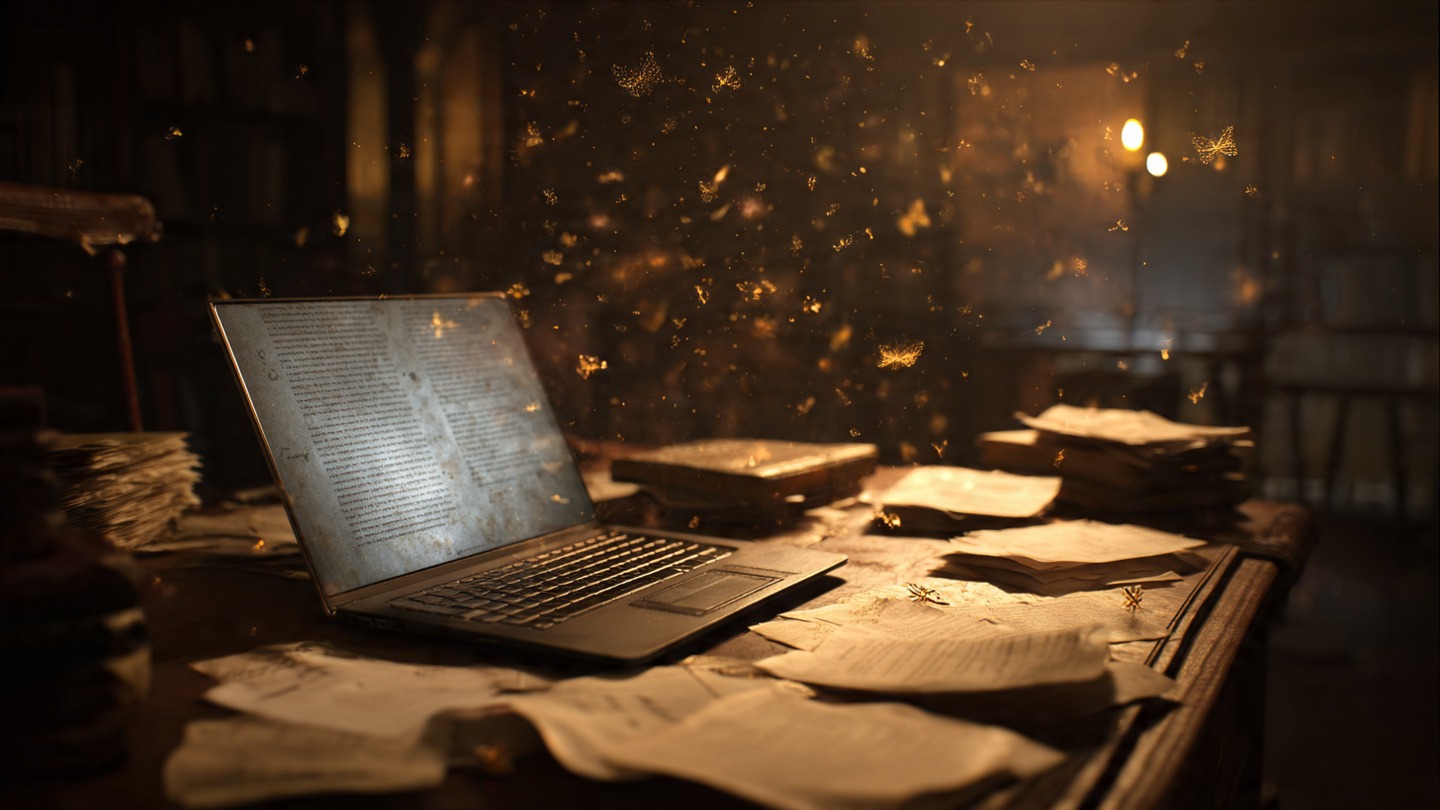
This idea connects strongly with how digital content works today. Things feel permanent, but they’re not. Blogs vanish. Accounts deactivate. Essays disappear when hosting platforms shut down. What’s left is a name… and a question.
If you’ve ever lost an old bookmarked article and felt oddly nostalgic about it, you already understand the vibe.
Heladim Jomsel: Pen Name or Person?
Here’s where things get interesting.
There’s no clear proof that Heladim Jomsel is a traditional, public-facing author. No verified author photo. No mainstream publisher listings. And yet, the name persists.
That has led to a few popular theories:
1. A Pen Name Used Briefly
Some writers experiment. They publish under a name, test ideas, then move on. The internet remembers, even when the author doesn’t want it to.
2. A Collaborative Identity
In underground writing circles, shared pseudonyms aren’t unusual. Multiple voices. One name. When the project ends, the identity fades.
3. A Misindexed or Altered Name
Search engines aren’t perfect. Names get misspelled, auto-corrected, or merged with unrelated terms. Over time, a strange hybrid phrase like author decached heladim jomsel is born.
This kind of phenomenon is actually well-documented in digital archiving discussions, especially among researchers studying online memory loss. A good deep dive into how this happens can be found through digital preservation projects like the Internet Archive, often casually linked as Internet Archive in conversations about lost content.
Why People Are Still Searching for It
The searches haven’t stopped. That’s the part that matters.
People don’t keep typing a phrase unless something about it sticks. And in this case, it’s the mystery mixed with the human instinct to complete the story.
We’re wired that way. If something feels unfinished, we lean in.
Some readers believe the name is tied to philosophical or experimental writing short pieces, reflective essays, maybe even fragmented fiction. Content that didn’t aim to go viral, but aimed to be felt.
Others think the search term itself has become the thing. A kind of accidental keyword born from broken links and curiosity loops.
That idea alone says a lot about how modern authorship works.
The Bigger Picture: Forgotten Authors in the Digital Age
Whether author decached heladim jomsel refers to a real person, a pseudonym, or an algorithmic artifact, it highlights something very real.
Digital fame is fragile.
An author can pour years into writing, publish online, gain a small devoted readership and still vanish when platforms change policies or hosting expires. Unlike printed books gathering dust on shelves, digital writing can disappear completely.
That’s why movements around digital preservation matter more than ever. Even casual readers are starting to notice. Articles discussing this shift often circulate on publishing blogs like Medium, where writers openly talk about losing old work and online identity drift.
Why the Name Feels Personal
There’s something intimate about a half-lost author.
No brand voice.
No marketing funnel.
Just a name floating between searches.
For some readers, author decached heladim jomsel represents every writer who didn’t chase algorithms. Every piece written for meaning instead of metrics. Every voice that spoke quietly and then faded.
And maybe that’s why the keyword keeps resurfacing. Not because people expect a clean answer but because they don’t want one.
FAQs About Author Decached Heladim Jomsel
Is author decached heladim jomsel a real author?
There’s no confirmed public record proving it’s a traditionally published author. It may be a pen name, a digital artifact, or a reference to removed content.
Why does the word “decached” appear with the author name?
It likely relates to removed or de-indexed online content, suggesting writing that once existed but is no longer easily accessible.
Are there books written by Heladim Jomsel?
No verified books are currently attributed under that exact name in major publishing databases.
Why is this keyword still searched?
Because mystery attracts attention. People are curious about names that feel unfinished or forgotten.
Could this be an SEO-generated term?
It’s possible. Some keywords emerge from repeated misindexing or automated suggestions over time.
Final Thoughts
Not every author leaves behind a neat biography.
Not every piece of writing survives the platforms it was born on.
Author decached heladim jomsel feels like a quiet reminder of that truth.
Sometimes, all that remains is a name… and the feeling that there was something worth reading once.
And maybe that’s enough.
