

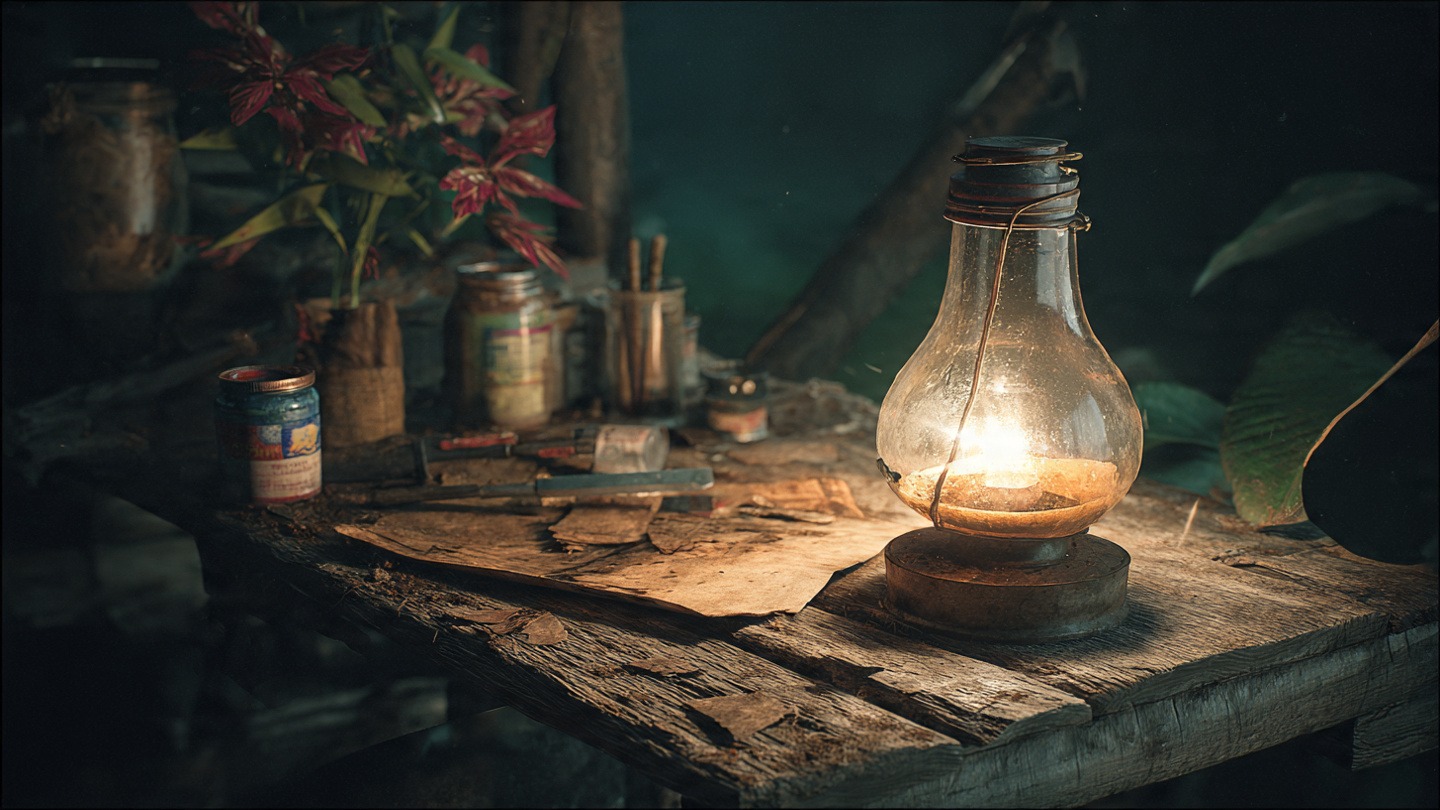
Some projects don’t start in labs or boardrooms. They start in villages. In workshops. In places where electricity is unreliable and light is not a given. That’s where the oil palm lamp project existing conversation really begins.
This isn’t a futuristic idea. It’s not a concept sketch. Variations of oil palm–based lamp projects already exist, quietly solving practical problems with local materials and simple engineering. And that’s exactly what makes them interesting.
Let’s slow down and look at what’s already out there.
The Real Problem Oil Palm Lamp Projects Try to Solve
In many rural areas across Southeast Asia, Africa, and parts of South America, lighting still depends on:
- Kerosene lamps
- Candles
- Battery-powered torches
They’re expensive over time. They’re unsafe. They pollute indoor air.
Oil palm–producing regions, however, sit on an overlooked resource: palm oil and palm waste byproducts. That’s where existing oil palm lamp projects step in not as luxury solutions, but as practical alternatives.
What an Existing Oil Palm Lamp Project Actually Looks Like
Forget sleek marketing images. Most existing projects are simple by design.
Typically, they include:
- A small oil reservoir (often recycled metal or glass)
- A cotton or fiber wick
- Locally sourced palm oil or refined byproduct
- A basic protective casing
Some versions use palm oil directly. Others use processed palm-based bio-oil for cleaner burning.
These lamps aren’t meant to compete with LEDs. They’re meant to replace dangerous, inefficient options.
Community-Based Projects Already in Use
Several NGOs and local innovation groups have experimented with oil palm lamps as part of rural development initiatives.
In regions with abundant palm plantations, communities already understand the resource. Training focuses less on “what” and more on “how to use it safely.”
Projects often include:
- Lamp-making workshops
- Safety education
- Small-scale entrepreneurship models
This approach mirrors other grassroots energy solutions documented by sustainability organizations like Practical Action, which emphasizes locally appropriate technology.
Why Palm Oil Makes Sense in These Projects
Palm oil has a few practical advantages:
- High energy density
- Long shelf life
- Readily available in producing regions
For lamp use, it burns slower than kerosene and produces less soot when properly filtered.
That matters in homes with poor ventilation.
Environmental Trade-Offs (And Honest Limits)
Let’s be clear. Palm oil is controversial for good reasons. Deforestation. Biodiversity loss. Industrial-scale misuse.
But existing oil palm lamp projects usually rely on:
- Waste oil
- Small-scale local supply
- Byproducts not suitable for food markets
Used this way, the environmental footprint is very different from large export-driven production.
Organizations focused on sustainable palm practices, such as those discussed on WWF, often highlight the importance of how palm oil is used, not just whether it’s used.
Design Improvements Seen in Existing Projects
Over time, projects have evolved.
Some improvements include:
- Adjustable wicks for flame control
- Enclosed designs to reduce fire risk
- Simple reflectors to improve light spread
A few projects combine oil lamps with solar charging using oil lamps as backup lighting during cloudy periods or battery failure.
That hybrid thinking comes from real-world constraints, not theory.
Economic Impact at the Local Level
One underrated aspect of oil palm lamp projects is income.
In some communities:
- Local artisans build lamps
- Small cooperatives sell fuel oil
- Maintenance skills stay local
It’s not a massive economy. But it’s resilient.
When energy solutions circulate money inside a community, adoption rates rise naturally.
Why These Projects Don’t Always Scale Globally
People often ask: if it works, why isn’t it everywhere?
Because oil palm lamp projects are context-specific.
They work best where:
- Palm oil is locally available
- Grid power is unreliable
- Cost matters more than brightness
Urban environments don’t need them. Off-grid villages do.
That’s not a weakness. It’s a design choice.
Existing Challenges Still Being Worked On
No project is perfect.
Current limitations include:
- Smoke if oil quality is poor
- Lower light output compared to LEDs
- Ongoing safety education needs
Most existing projects treat oil lamps as transitional technology, not a permanent endpoint.
They bridge the gap until cleaner, scalable solutions become accessible.
FAQs About Oil Palm Lamp Project Existing Models
Are oil palm lamps safe to use?
When designed properly and used with filtered oil, they are safer than kerosene lamps.
Do these projects still exist today?
Yes. Many operate at small community or NGO levels rather than mass production.
Is palm oil environmentally friendly?
It depends on sourcing. Existing lamp projects often use waste or local byproducts.
Can oil palm lamps replace electricity?
No. They supplement lighting needs where electricity is unavailable or unreliable.
Why the Existing Projects Matter More Than New Ideas
Innovation isn’t always about inventing something new. Sometimes it’s about noticing what already works and improving it slowly.
The oil palm lamp project existing ecosystem shows how local knowledge, available materials, and real needs can come together without waiting for perfect conditions.
That kind of progress rarely makes headlines. But it changes lives quietly.
Final Thoughts
Oil palm lamp projects aren’t flashy. They don’t pretend to solve global energy problems. What they do is simple and valuable.
They provide light where darkness still limits daily life. Using resources people already have. On their own terms.
And that’s worth paying attention to.
