

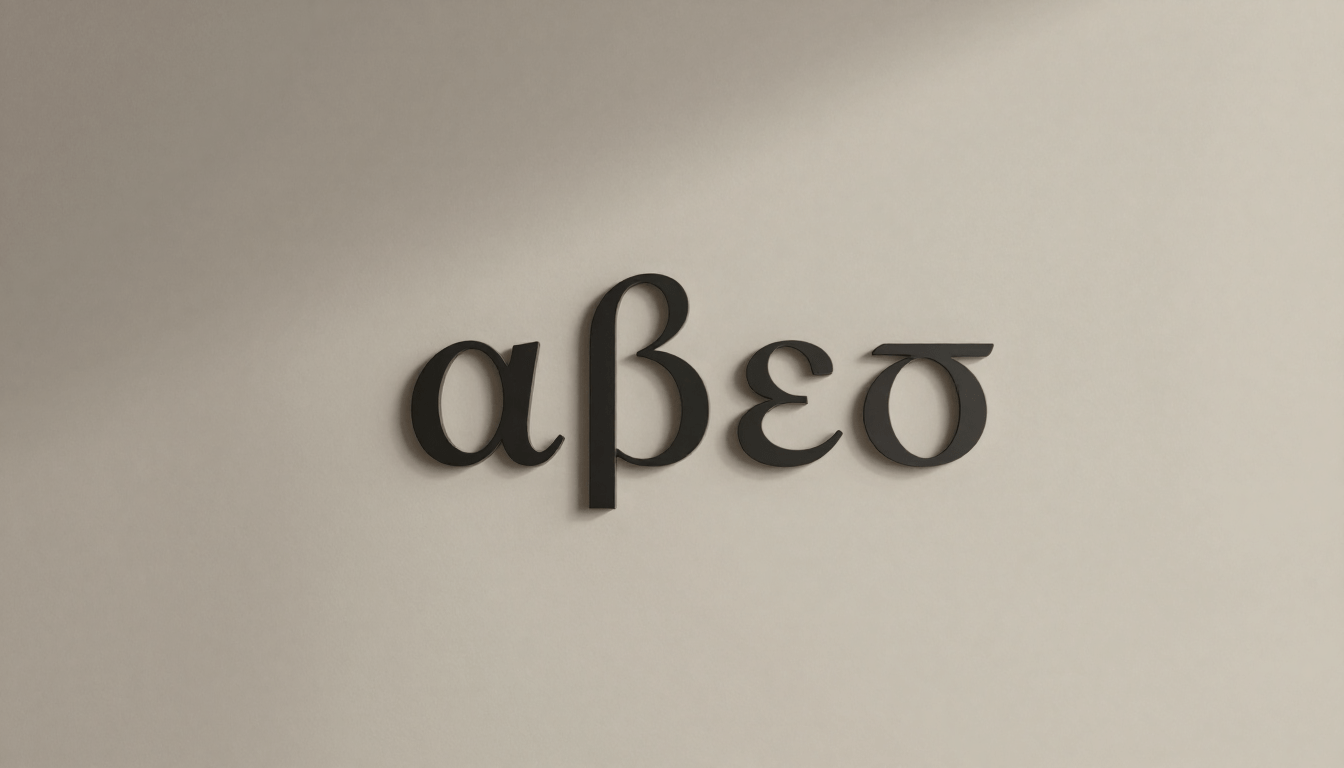
Some expressions don’t need to shout to be felt. They sit there, compact and understated, carrying more meaning than their size suggests. αβεσ is one of those. At first glance, it looks unfinished. Almost like a fragment. But fragments can be powerful. Especially in language shaped by centuries of thought, philosophy, and lived experience.
If you’ve come across αβεσ and paused wondering what it is, where it fits, or why it feels familiar you’re not alone.
Where αβεσ Comes From
αβεσ comes from Greek linguistic roots tied to uncertainty and lack of clarity. It’s closely connected to the idea of something being uncertain, unstable, or not fully defined. In modern usage, it often appears as a shortened or informal form related to αβέβαιο (uncertain).
Greek speakers do this sometimes. They trim words down in casual speech, especially when the meaning is already understood.
It’s not sloppy. It’s efficient.
What αβεσ Actually Feels Like in Use
This isn’t a word you usually see screaming in headlines. It shows up in conversation. Notes. Messages. Sometimes even academic shorthand.
Someone might use αβεσ when:
- The outcome isn’t clear
- A situation feels unresolved
- Information is incomplete
- A decision is still hanging
It carries a tone. Not panic. Not drama. More like a quiet acknowledgment: we don’t know yet.
A Real-Life Moment of αβεσ
Picture this.
A group of students waiting for exam results. No announcements. No updates. Just speculation.
Someone shrugs and says, “Όλα είναι αβεσ.”
That single word captures the whole room’s mood. The tension. The waiting. The lack of control.
That’s the strength of αβεσ. It doesn’t explain. It summarizes.
Why αβεσ Still Matters Today
Uncertainty is everywhere right now. Jobs shift. Technology moves faster than people can process. Plans change overnight.
Language adapts to that reality.
Words like αβεσ survive because they’re useful. They don’t pretend everything is fine. They don’t exaggerate either. They sit in the middle.
Psychologists often talk about how humans label uncertainty to cope with it—something explored in depth in behavioral discussions on sites like Psychology Today.
Naming uncertainty gives it shape. αβεσ does exactly that.
αβεσ in Writing and Thought
In writing, αβεσ often signals:
- An open-ended conclusion
- A variable condition
- A factor that can’t be controlled
Researchers and analysts sometimes rely on short markers like this to avoid overclaiming. Saying something is αβεσ is more honest than forcing certainty where none exists.
You’ll see similar linguistic restraint discussed in philosophical language studies, such as those published through academic overviews on platforms like Britannica.
Cultural Weight Behind the Word
Greek culture has a long relationship with uncertainty. From ancient philosophy to modern daily life, not everything needs to be resolved immediately.
αβεσ reflects that comfort with ambiguity.
It doesn’t rush answers. It allows space.
In a world obsessed with certainty, that’s refreshing.
Common Misunderstandings About αβεσ
“It’s incomplete or incorrect Greek”
Not true. It’s informal or contextual, but very real in use.
“It always sounds negative”
It can, but not always. Sometimes it’s neutral. Even calm.
“It means nothing specific”
It means exactly what it needs to mean in the moment.
How αβεσ Translates Emotionally
Some words translate cleanly across languages. Others don’t.
αβεσ isn’t just “uncertain.” It carries:
- Emotional hesitation
- Situational ambiguity
- Mental pause
That’s why direct translations often feel flat. The Greek version breathes more.
FAQs About αβεσ
Is αβεσ a full word or slang?
It’s an informal or abbreviated expression derived from formal Greek terms related to uncertainty.
Is it used in academic settings?
Sometimes, especially as shorthand or contextual reference.
Does αβεσ imply something bad will happen?
No. It simply acknowledges that the outcome isn’t known yet.
Can non-Greek speakers use it?
Yes, especially in academic or cultural discussions—but context matters.
Why People Search for αβεσ
People don’t search for certainty. They search for meaning.
αβεσ shows up when someone encounters it and feels that pause. That sense of what does this really mean?
That curiosity is natural.
Final Thoughts
αβεσ doesn’t offer answers. It offers honesty.
It’s a small word for a big human experience—standing in the space between knowing and not knowing. And sometimes, that space is exactly where we need to be.
